Check Oakland Soft-Story Status Before Buying a Multi-Unit
September 3, 2026
September 3, 2026
What happens when a seller's disclosure says the seismic work is done, but the city's own paperwork says something else?
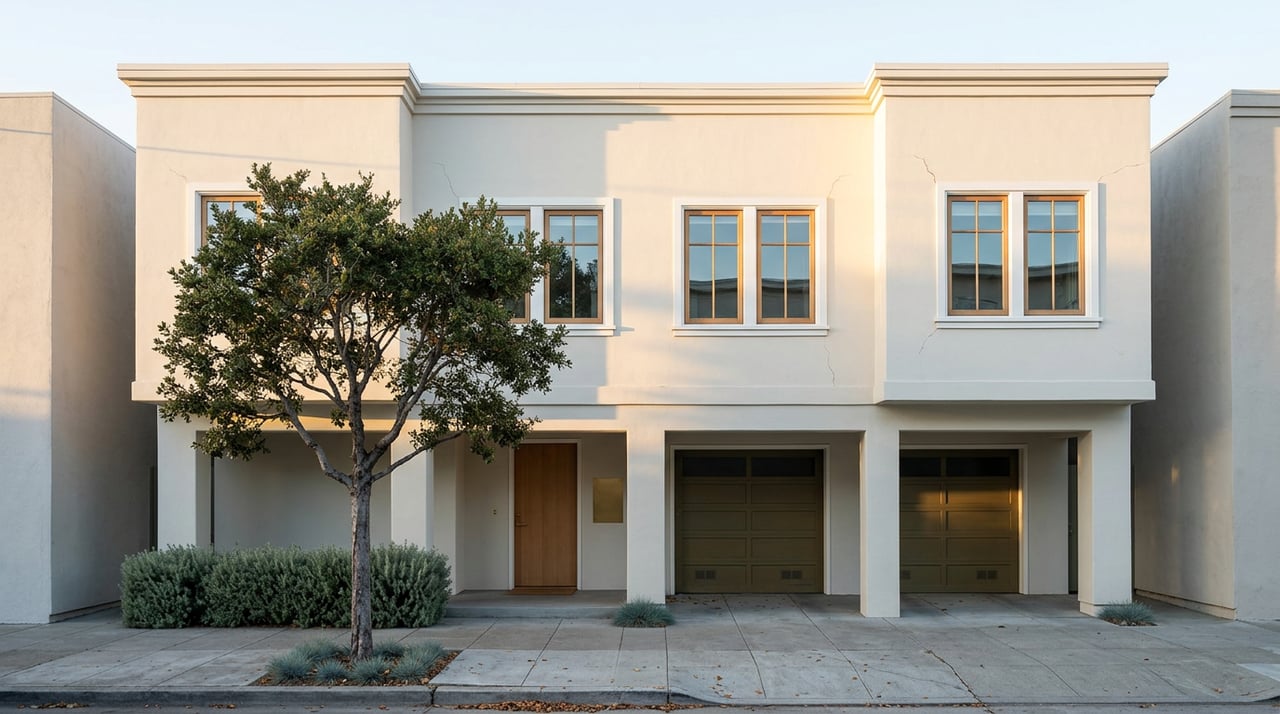
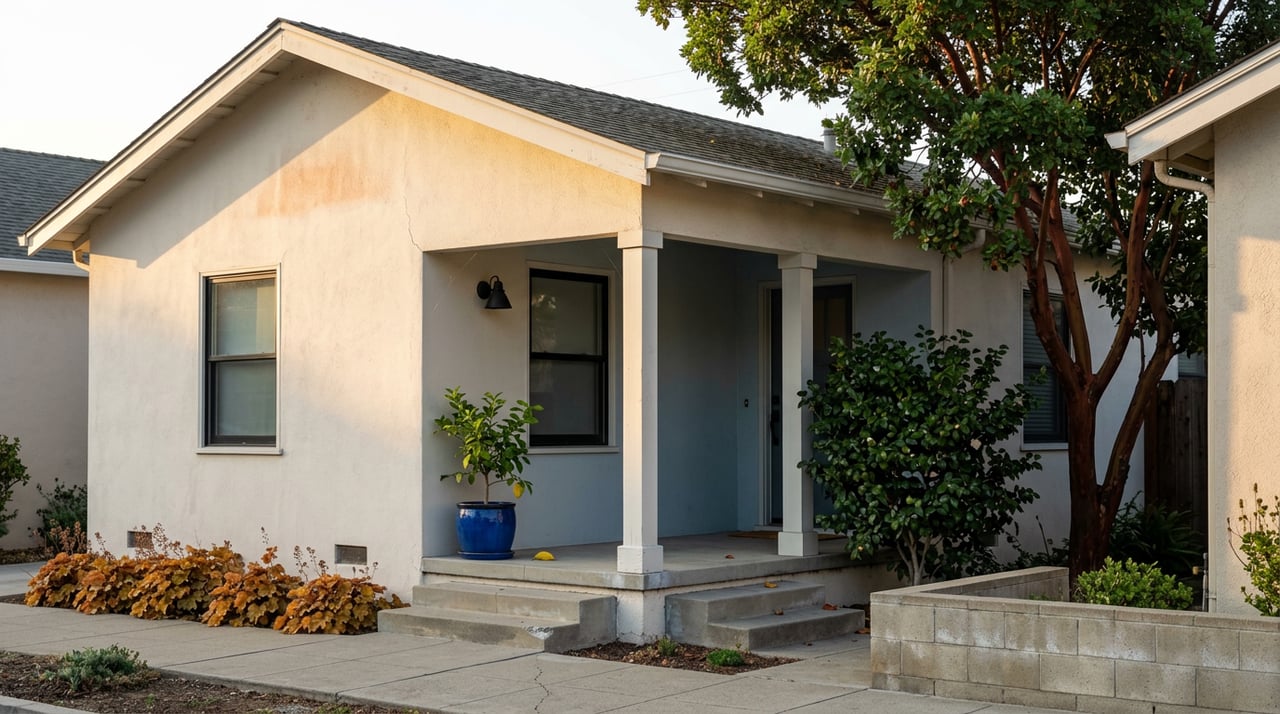
That question is becoming routine for anyone shopping five-to-nineteen-unit apartment buildings in Oakland's older flatlands. Picture a wood-frame walk-up from the 1940s or 50s, tuck-under parking on the ground floor, sitting in a neighborhood like Fruitvale or the Dimond District. The listing photos look fine. The rent roll pencils. Then someone on the buying side pulls the address against the city's own compliance record, and the building shows up with an open tier assignment and no completion date. That single line item can reset the entire negotiation, and it can do it before anyone has ordered an inspection.
Here's the part most buyers, and more than a few sellers, don't fully register: this isn't a future problem anymore. Every deadline under Oakland's Mandatory Soft Story Retrofit Ordinance, known as OSSRO, has already passed. If a subject building isn't marked complete, it isn't approaching a compliance date. It's already out of compliance, today, as of the transaction you're about to sign.
Oakland's Mandatory Soft Story Retrofit Program, created under Ordinance 13516, targets wood-frame buildings built before January 1, 1991 with a ground floor weaker than the floors above it, the kind of soft or open front created by tuck-under garages or large storefront openings. The city assigns every subject building to a compliance tier based on size and risk, and it keeps a running, address-level record of where each one stands.
That record isn't hidden in a filing cabinet. Oakland publishes a subject-properties list, most recently updated in May 2026, that shows every covered address alongside its tier and its current status: blank if the building hasn't finished the process, "Exempt" if the city has accepted a petition that the building doesn't qualify, or "Complied" if the retrofit and final affidavit are done. You can review the current list and check a specific address directly on Oakland's Mandatory Soft Story Retrofit Program page.
The tiers themselves tell you how much runway a building was ever given, and how long that runway has been closed:
| Tier | Building profile | Original completion deadline |
|---|---|---|
| Tier 1-LB | 20 or more dwelling units | February 21, 2023 |
| Tier 1-NR | Missed the 2009 screening requirement | February 21, 2023 |
| Tier 2 | 5 to 19 dwelling units | February 21, 2024 |
| Tier 3 | Ground floor has residential or commercial space | February 21, 2025 |
Every one of those dates is now well behind us. That's what makes the current status of a building, not the ordinance's existence, the fact worth building your due diligence around.
If you've read anything on this site about house hacking a duplex or triplex in Oakland, you might reasonably wonder if this ordinance applies to you too. Generally, it doesn't. OSSRO's mandatory tiers start at five dwelling units. A two- or three-unit building typically falls below the threshold entirely, which is why the retrofit conversation and the duplex-triplex conversation are two different underwriting exercises, not one.
Where this genuinely matters is the small-apartment tier just above house hacking scale: five-unit walk-ups, converted Victorians split into flats, 1920s and 30s courtyard buildings with parking tucked under one wing. Older stock in this size range concentrates in specific pockets of the city, including Temescal, Rockridge, Adams Point, West Oakland, Fruitvale, Grand Lake, Lakeshore, and the Dimond District. If you're comparing a duplex in one of those neighborhoods against a fiveplex two blocks away, the ordinance is a real reason the underwriting isn't apples to apples, even before you get to price per unit.
Increasingly, buyers' agents are learning to check the city's list before an offer goes in rather than after.
The practical effects show up in a few places at once. Lenders financing small apartment buildings are paying closer attention to compliance status alongside the usual rent roll and expense history, and a building with an open violation can complicate or slow down loan approval. Retrofit1 notes that an unresolved OSSRO obligation can also sit as a recorded item tied to the property, which is the kind of detail that surfaces during a title search whether or not it made it into the initial disclosure packet. None of this means a deal with an open violation is dead. It means the retrofit needs to be priced into the offer, the timeline, or both, the same way a buyer would price in a new roof or a failing sewer lateral.
Before writing an offer on a five-unit-or-larger Oakland building built before 1991, check three things: the address against the city's subject-property list, the tier assignment, and whether the status reads "Complied" or "Exempt." If it's neither, treat the retrofit as an unresolved capital item in your offer, not a footnote in the disclosures.
Retrofit costs scale with building size. For a typical five-unit building, figure roughly $50,000 to $110,000. Larger properties, especially those needing steel moment frames or extensive foundation work, can run $350,000 or more. Those numbers matter for negotiation, and one offset rarely makes it into the conversation.
The first is Oakland's Rent Adjustment Program. Owners who complete a retrofit can petition to treat it as a capital improvement, which allows recovery of up to 70 percent of the cost through a rent increase capped at 10 percent and amortized over 25 years. It's a formal petition process with documentation requirements, not an automatic pass-through, but it changes the real net cost of compliance for an owner who plans to hold.
If you're selling a subject building, get ahead of the disclosure conversation rather than waiting for a buyer's agent to raise it. A completed retrofit with a final affidavit on file is a selling point you can lead with. An open violation is better addressed with a credit or a documented plan than left for a buyer's inspection period to surface cold.
If you're buying, the sequence is simple: pull the address against the city's list before you write the offer, not after your inspection contingency starts running. A blank status on a Tier 2 or Tier 3 building isn't a disqualifier, but it is leverage, and it's leverage you only have if you know about it before everyone else in the negotiation does.
For buyers weighing a duplex or triplex instead, where this ordinance typically doesn't apply, the deeper due diligence questions around Oakland's rent registry and eviction protections still matter just as much. If that's your search, our earlier piece on house hacking with Oakland duplexes and triplexes and our guide to preparing an Oakland duplex or triplex for sale walk through the parts of the process specific to that size of property.
Does this apply to a fourplex? Generally no. The mandatory tiers begin at five dwelling units, so a typical fourplex falls outside OSSRO's scope, though any wood-frame building with a genuinely soft ground floor is worth a structural opinion regardless of unit count.
Can I trust the city's published list as the final word? Treat it as your starting point, not your only source. Status can change between updates, and the safest step before writing or accepting an offer is confirming current status directly through Oakland Building Services rather than relying solely on the posted PDF.
If a building shows "Exempt," is it safe to assume no further seismic questions matter? An exemption means the city has accepted that the building isn't a subject property under the ordinance. It doesn't mean the building has no seismic considerations at all, which is why a structural engineer's opinion is still worth having alongside the compliance record.
Does an open violation always kill financing? Not always, but it complicates it. Lenders vary in how they treat an open OSSRO item, which is another reason to know the status early enough to shop financing with full information rather than discovering it mid-underwriting.
Buying or selling a small apartment building in Oakland means underwriting more than rent and cap rate. If you're weighing a deal where the compliance status isn't clean, or you want a second set of eyes on how it should shape your offer, Dixit Properties works through exactly this kind of due diligence with East Bay investors every week. Request a free consultation and we'll help you read the building's full picture before you commit to a number.
This article is general information, not legal, tax or financial advice. Consult a qualified professional about your situation.

He have built a vast array of clients in the Bay Area, whether it be a luxury estate client, first-time homebuyer, or seasoned investor. The driving principles include putting the clients' needs first, built on a foundation of hard work, trust, and integrity.