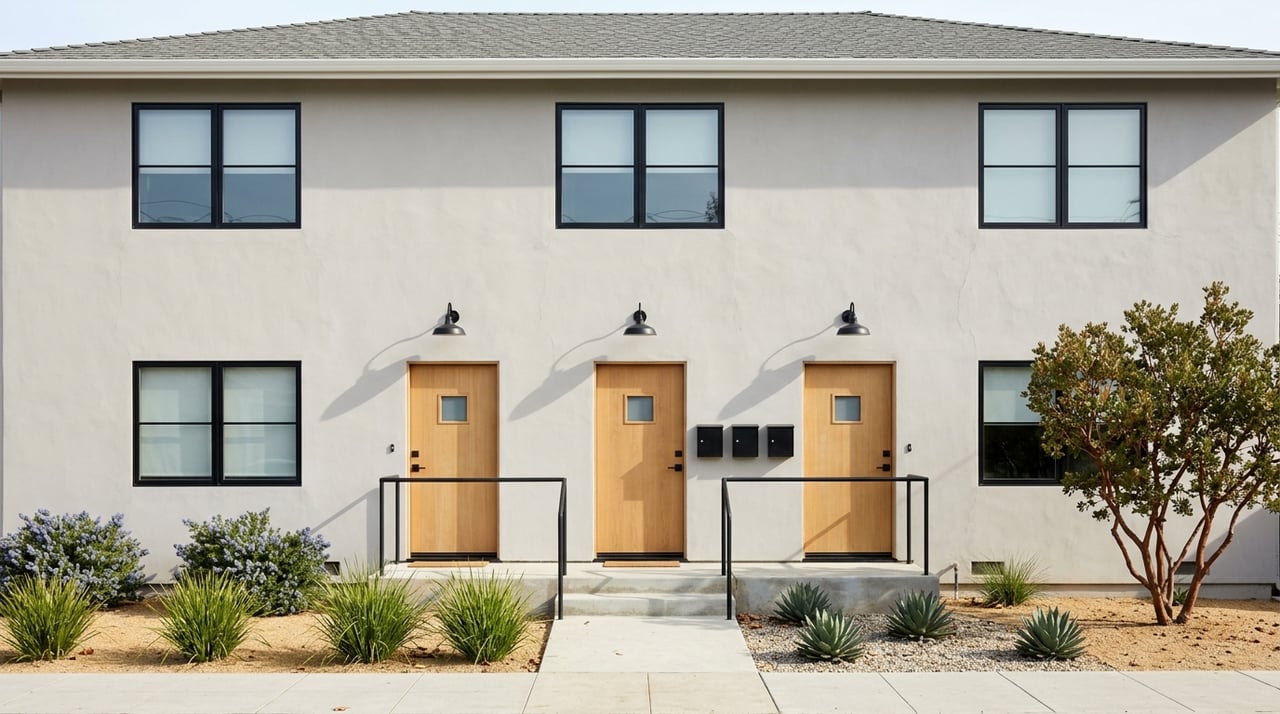
How to Prepare Your Oakland Duplex or Triplex for Sale
April 23, 2026
April 23, 2026
Selling a duplex or triplex in Oakland is rarely as simple as cleaning up the units and putting a sign in the yard. If your property is tenant-occupied, older, or has had work done over the years, buyers will look closely at permits, leases, disclosures, and visible condition. The good news is that a smart prep plan can reduce surprises, build buyer confidence, and help you present the property more effectively. Let’s dive in.
Before you make any vacancy or renovation plans, it helps to understand Oakland’s rental-law overlay. The city’s Just Cause for Eviction Ordinance covers most rental units and specifically includes single-family residences and owner-occupied duplexes and triplexes.
That matters because vacancy is not just a marketing decision in Oakland. If you are thinking about delivering units vacant or scheduling major work before listing, you should first confirm how local rules apply to your property and your timeline.
Many Oakland multi-unit properties also fall under the Rent Adjustment Program registration rules. Oakland notes that multifamily properties built before April 1, 2016 generally need registration, while fully owner-occupied units are exempt. When ownership changes, the city also asks the former owner to notify Oakland so the new owner can be contacted.
If your repair scope is large enough that tenants cannot remain in place, the city’s Code Compliance Relocation Program may require owner-paid relocation. In practical terms, that means major pre-sale work should be planned carefully before contractors start opening walls or taking systems offline.
One of the best first steps is to request Oakland’s 3-R report as early as possible. The city says this report provides residential permit history, and records requests can take about two months. If you wait until you are almost ready to list, your sale prep timeline can easily get delayed.
This report helps you compare the property’s current condition to what is on file. Buyers often want to know whether units, additions, or improvements were properly permitted and whether there are open permit or code issues.
If there is unpermitted work, handle that carefully. Oakland can issue stop-work orders for unpermitted construction, and permits related to unpermitted work can be charged at twice the normal fee or more. For many sellers, this is a strong reason to investigate paperwork before touching the property.
A duplex or triplex sale usually goes more smoothly when your file is organized before buyers ask for documents. This is especially important when the property is tenant-occupied or being evaluated by an investor or lender.
Start with a rent roll and lease package that fully agree. Freddie Mac guidance and Fannie Mae guidance both flag inconsistencies between rent rolls, leases, and occupancy as underwriting concerns.
Make sure each unit file matches on these basics:
You should also gather manuals and warranties for appliances and systems that will stay with the property. The National Association of REALTORS seller guide recommends pulling those items together before closing so they do not become a last-minute scramble.
For most California 1-to-4-unit residential sales, sellers need to provide a Transfer Disclosure Statement and related disclosures. California also requires the seller’s agent to conduct a reasonably diligent visual inspection of accessible areas and disclose material facts that affect value, desirability, or intended use.
If your Oakland duplex or triplex was built before 1978, federal lead-based paint rules also apply. Sellers must provide the EPA pamphlet, disclose known lead hazards, make records available, and give buyers a 10-day opportunity to inspect, according to the California Department of Public Health summary.
You will also want to confirm water heater compliance. California law requires water heaters to be braced, anchored, or strapped, and the seller must certify compliance in writing.
Depending on the parcel, your disclosure package may include natural hazard information tied to flood, seismic, wildfire, or other location-based risks. Some properties built before January 1, 2010 in high or very high fire hazard severity zones may also require an additional fire-zone disclosure under the California guidance referenced above.
A pre-sale inspection is not required, but it can be a smart move. NAR notes that a pre-sale inspection can uncover issues involving the roof, structure, plumbing, electrical, heating and cooling, insulation, fireplaces, and other components.
For Oakland sellers, the goal is not just to find cosmetic flaws. You also want to spot conditions that could lead to code complaints or become more serious during escrow, especially major electrical, plumbing, or structural concerns that could fall into the city’s code enforcement categories.
In an occupied property, this step helps you separate repairs into two buckets: items you can address now and items that are better disclosed and priced accordingly. That distinction can save time, especially if bigger work would require permits, inspections, or tenant relocation planning.
If you are selling a triplex, review shared decks, balconies, walkways, and railings early. Oakland notes that SB 721 or SB 326 inspection paperwork can apply to apartments and other multifamily buildings, while single-family homes and duplexes are exempt.
Because exterior elevated elements can raise immediate buyer questions, it is better to understand the documentation status before marketing begins. That gives you time to address issues or prepare clear disclosures.
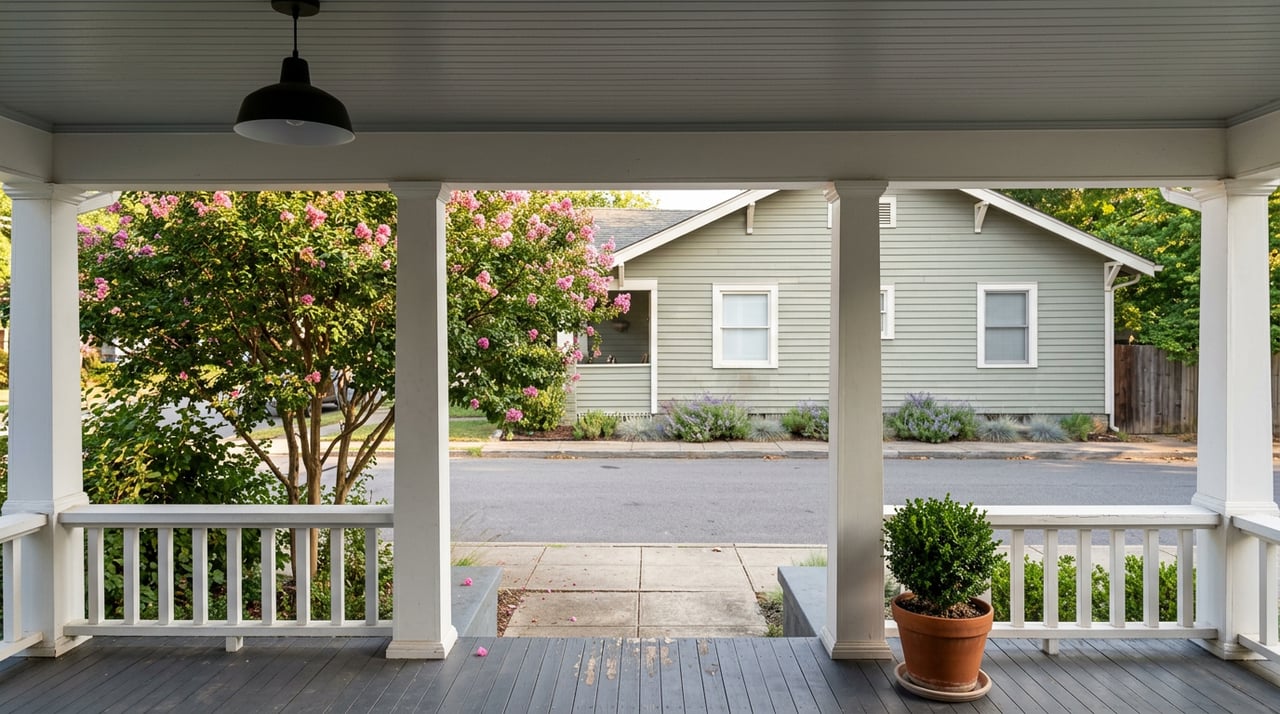
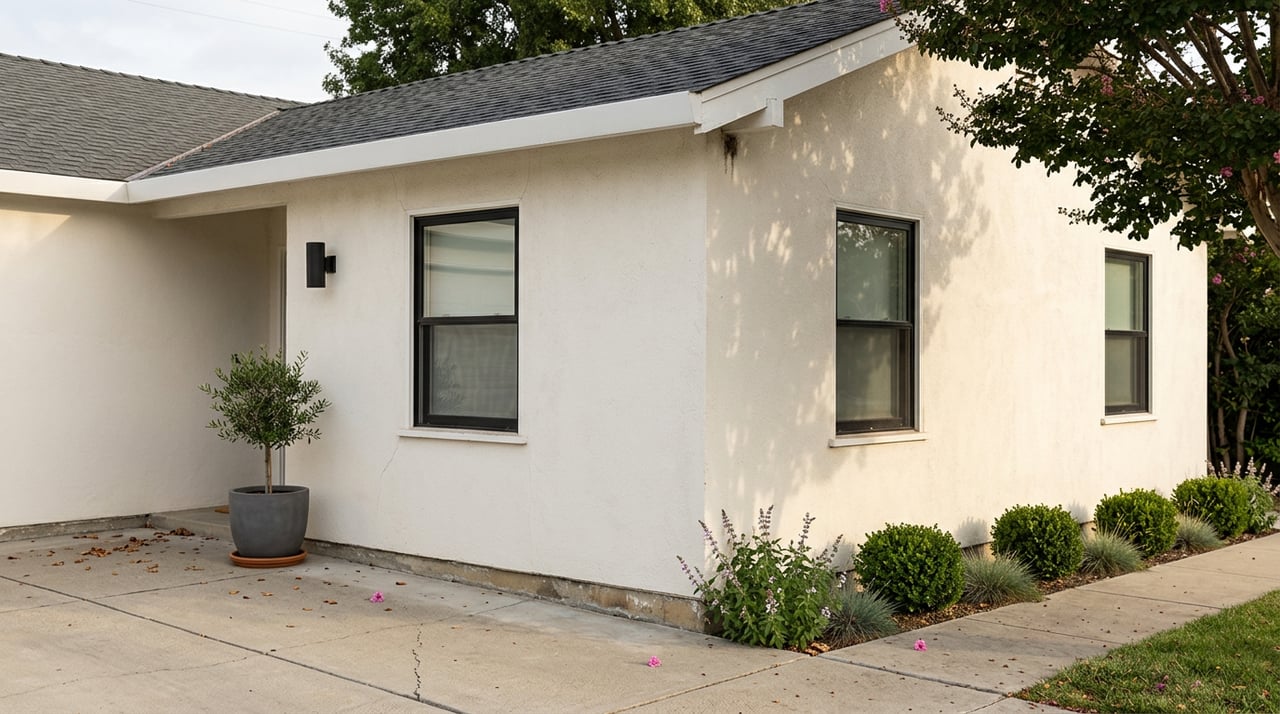
For most Oakland duplex and triplex sellers, targeted cosmetic work is more practical than a heavy renovation. The best returns often come from projects that improve photos, first impressions, and showing-day confidence without creating permitting headaches.
NAR recommends basics that still matter: decluttering, deep cleaning, washing windows, refreshing walls and light fixtures, and improving curb appeal. Their 2025 Remodeling Impact Report also points to paint, wood flooring, front doors, and exterior paint as resale-friendly updates.
For multi-unit properties, this usually means focusing on:
If you are deciding whether staging is worth it, the data is encouraging. In NAR’s 2025 profile, 29% of agents reported a 1% to 10% increase in offered price for staged homes, and 49% said staging reduced time on market.
That can be especially relevant when one or more units will be shown vacant. Living rooms, primary bedrooms, dining rooms, and kitchens are the most commonly staged spaces, and those areas often shape a buyer’s overall impression of the property.
Not every issue needs to be repaired before listing. In fact, over-improving can hurt your timeline and your budget, especially if the work triggers permits or complicates tenant occupancy.
A better approach is to fix visible defects that undermine confidence, estimate the cost of larger repairs, and be ready to explain what was intentionally left for the next owner. NAR notes that sellers should estimate major repair costs even when they do not complete the work, since buyers will still factor those items into negotiations.
For Oakland properties, a coordinated pre-market plan is usually stronger than piecemeal work. If you need help organizing repairs and cosmetic updates before listing, Dixit Properties can coordinate pre-market improvement support through its renovation partnership to help you prepare the property strategically.
Buyers for duplexes and triplexes tend to ask practical, document-driven questions. If you can answer them quickly and clearly, your listing often feels more credible from day one.
Expect questions like these:
When you prepare for those questions in advance, you reduce the odds of a shaky escrow. You also make it easier for serious buyers to understand the property’s value, condition, and income story.
If you want the short version, the highest-value prep for an Oakland duplex or triplex is usually a disciplined process. Confirm legal status, clean up the rent file, order permit history, address visible defects, and make cosmetic improvements that support marketing rather than create more complexity.
That kind of preparation helps you market from a position of strength. It also gives buyers, lenders, and inspectors fewer reasons to hesitate once your property hits the market.
If you are planning to sell a duplex or triplex in Oakland and want a practical strategy for prep, pricing, and presentation, connect with Dixit Properties. You will get boutique, broker-led guidance tailored to Bay Area multi-unit sales, with hands-on support for pre-market improvements and a plan built around your timeline.
He have built a vast array of clients in the Bay Area, whether it be a luxury estate client, first-time homebuyer, or seasoned investor. The driving principles include putting the clients' needs first, built on a foundation of hard work, trust, and integrity.