In Oakland, Whoever Sells Next Pays for the Pipe Nobody Replaced
September 17, 2026
September 17, 2026
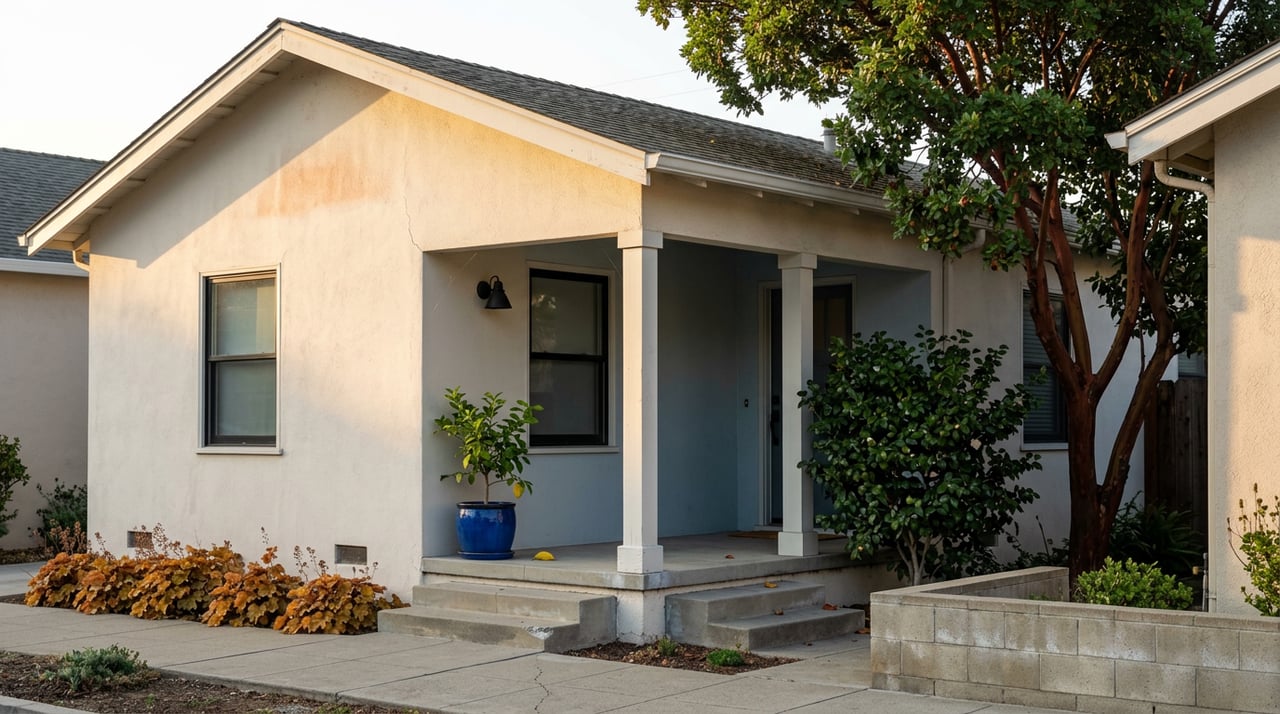
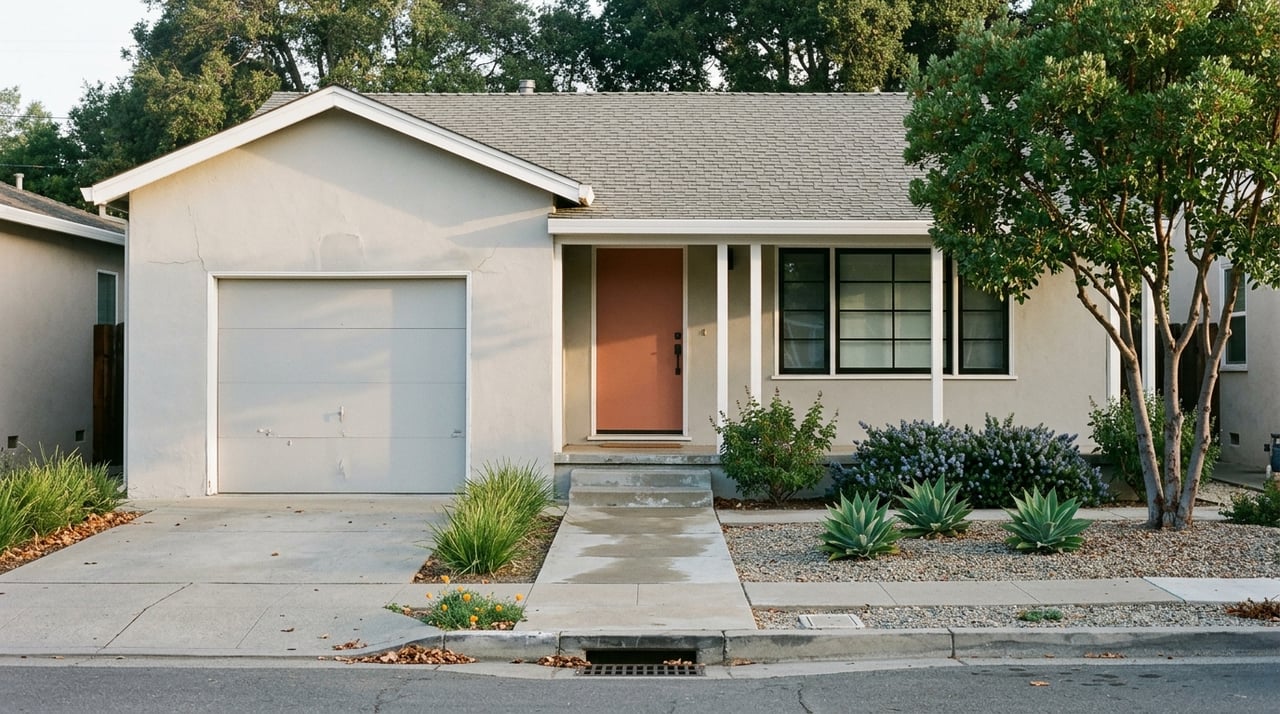
Picture two nearly identical 1920s bungalows a few doors apart in an older Oakland neighborhood. Same builder, same lot depth, same clay pipe running from the foundation to the street main. One house changed hands a decade or so ago, and its seller replaced the sewer lateral as part of that closing, walking away with an EBMUD compliance certificate that's still good for years to come. The other hasn't sold since the 1980s. When that second house finally lists, its seller will likely need a camera inspection, a pressure test, and possibly eight to eighteen thousand dollars in trenchless or open-trench repair before escrow can close.
Same neighborhood. Same era. Same pipe material. Completely different closing cost, and the only variable that matters is when each house last sold.
That's the part of Oakland's sewer lateral rule that rarely gets explained clearly: the requirement isn't triggered by how bad your pipe actually is. It's triggered by the calendar event of a title transfer. A leaking lateral under a house that never sells can sit untouched for decades. The same leak under a house that changes hands this year becomes an immediate, priced obligation. The ordinance was written to protect the bay from sewage infiltration, but the way it collects on that goal is essentially a toll charged at the moment of sale, and the toll amount depends entirely on how long it's been since someone last paid it.
Oakland's rule runs through the East Bay Municipal Utility District's Regional Private Sewer Lateral Program, which the city adopted in January 2012 after the EPA and the state's water quality board ordered EBMUD and several East Bay cities to stop old, cracked sewer pipes from leaking rainwater into the sanitary system and, eventually, into the bay. The program covers Oakland along with Alameda, Albany, Emeryville, Piedmont, El Cerrito, Kensington, and the Richmond Annex. Berkeley runs a separate program of its own.
Three things trigger the requirement: selling the property, doing a remodel valued over $100,000, or changing the size of your water meter. For most sellers, it's the first one that matters. A licensed plumbing contractor scopes the line, and if needed, repairs or replaces it. EBMUD then witnesses a pressure or air test. If the lateral passes, EBMUD issues a Compliance Certificate.
Here's the detail that explains the price gap between those two bungalows: the certificate isn't tied to the current owner. It's tied to the parcel and the pipe. A certificate issued after a full lateral replacement is valid for 20 years. One issued after a repair, or after a line simply passes the test with no work needed, is valid for 7 years. Whoever owns the house when the certificate expires, or when the house next sells without a valid certificate on file, becomes the one who pays for a compliance step that may have been avoidable if a previous owner had tested the line decades earlier.
| Certificate outcome | Valid for | Who typically benefits |
|---|---|---|
| Full lateral replacement | 20 years | Next 2-3 owners, depending on hold times |
| Repair or pass without replacement | 7 years | Current owner, maybe one resale |
| No certificate on file | 0 years | Whoever sells next, in full |
Oakland's housing stock skews old. Many homes predate 1950, and a large share of those have never had their laterals replaced. The original pipe is usually clay or cast iron, joined in short sections rather than run as one continuous line. In the Oakland hills, where soil shifts more than it does on flatter ground, those joints are exactly where leaks tend to start. None of that shows up on a home's exterior. A lateral can be quietly failing for years without a single visible symptom, because the failure is underground and the consequence is a slow load on the public sewer system, not a puddle in the yard.
That's what makes the point-of-sale trigger such an odd allocation mechanism. The pipe doesn't care who owns the house. The cost of dealing with it only becomes real the moment someone tries to transfer title. If you bought your Oakland home in the 1990s and never sold, you may be sitting on a lateral that's been non-compliant the entire time, with zero obligation to do anything about it. The seller three doors down, dealing with the exact same vintage of pipe, gets handed the bill in full, priced at whatever a plumbing contractor quotes that week.
If a lateral fails its test, or hasn't been tested at all, and there isn't time to complete repairs before closing, EBMUD offers a release valve: the Time Extension Certificate. It requires a refundable $4,500 deposit and gives the responsible party 180 days after closing to finish the work and obtain a real Compliance Certificate. The deposit comes back once compliance is documented.
This is worth understanding well before you're three weeks from your closing date, because it changes what "the sewer lateral is a problem" actually means in a transaction. It doesn't have to mean a delayed closing. It means a negotiated line item: who puts up the $4,500, who manages the contractor relationship for the next six months, and who eats the actual repair cost if it comes in higher than expected.
A few patterns show up often enough to plan around:
Escrow doesn't close on an Oakland sale without either a valid Compliance Certificate or a properly executed Time Extension Certificate on file. There's no informal way around it, and there's no city discretion to waive it for a clean-looking house.
If you're planning to sell in Oakland, the highest-leverage move is also the least dramatic one: check the parcel's compliance status before you do anything else. EBMUD's program, run through eastbaypsl.com, lets you look up whether your address already has a valid certificate on file or whether an HOA has filed a Statement of Responsibility on your behalf. If a previous owner replaced the lateral within the last 20 years, or repaired it within the last 7, you may already be covered and can cross this off the list entirely. If not, you know your real number before a buyer's agent finds out for you.
For sellers weighing whether to handle the lateral before listing or leave it as a known item to negotiate, the calculation is similar to other pre-market decisions: a documented, already-solved problem tends to remove an objection during offer negotiations, while an undocumented one becomes a source of buyer leverage precisely because nobody can put a firm number on it yet. Dixit Properties works with sellers on exactly this kind of pre-listing sequencing, including coordinating repair work through our renovation partnership with Curbio when it makes sense to handle the lateral, along with other pre-market items, before the home ever goes live.
Buyers get a version of this leverage too. If a seller can't produce a current certificate, that's a legitimate point to raise during your inspection contingency period, not an afterthought to sort out after you've already removed contingencies. Asking the question early, while you still have negotiating room, tends to produce a cleaner outcome than asking it once you're already committed.
Oakland's small multi-unit stock carries its own version of this same theme. If you're comparing a duplex or triplex purchase, the seller's checklist for preparing an Oakland duplex or triplex for sale walks through how lateral compliance interacts with the other point-of-sale requirements small apartment buyers run into.
Does a cash sale skip the requirement? No. The certificate is triggered by the transfer of title itself, not by how the buyer finances the purchase.
Is an inherited house exempt? It depends on the relationship. Fiduciary and estate transfers are generally exempt, as are direct-family-line transfers between spouses, parents and children, or grandparents and grandchildren.
What if my lateral was replaced within the last ten years? You likely qualify for an exemption without a new test. Confirm the existing certificate's expiration date through EBMUD's program before assuming you're covered.
Understanding this rule before you list, rather than after an inspector finds root intrusion, is the difference between a clean escrow and a scramble. If you're weighing whether your Oakland lateral is likely to pass, or you'd like a clearer read on how this fits into your broader selling timeline, Dixit Properties is happy to talk through it. Request a free consultation and we'll help you figure out where you actually stand.
He have built a vast array of clients in the Bay Area, whether it be a luxury estate client, first-time homebuyer, or seasoned investor. The driving principles include putting the clients' needs first, built on a foundation of hard work, trust, and integrity.