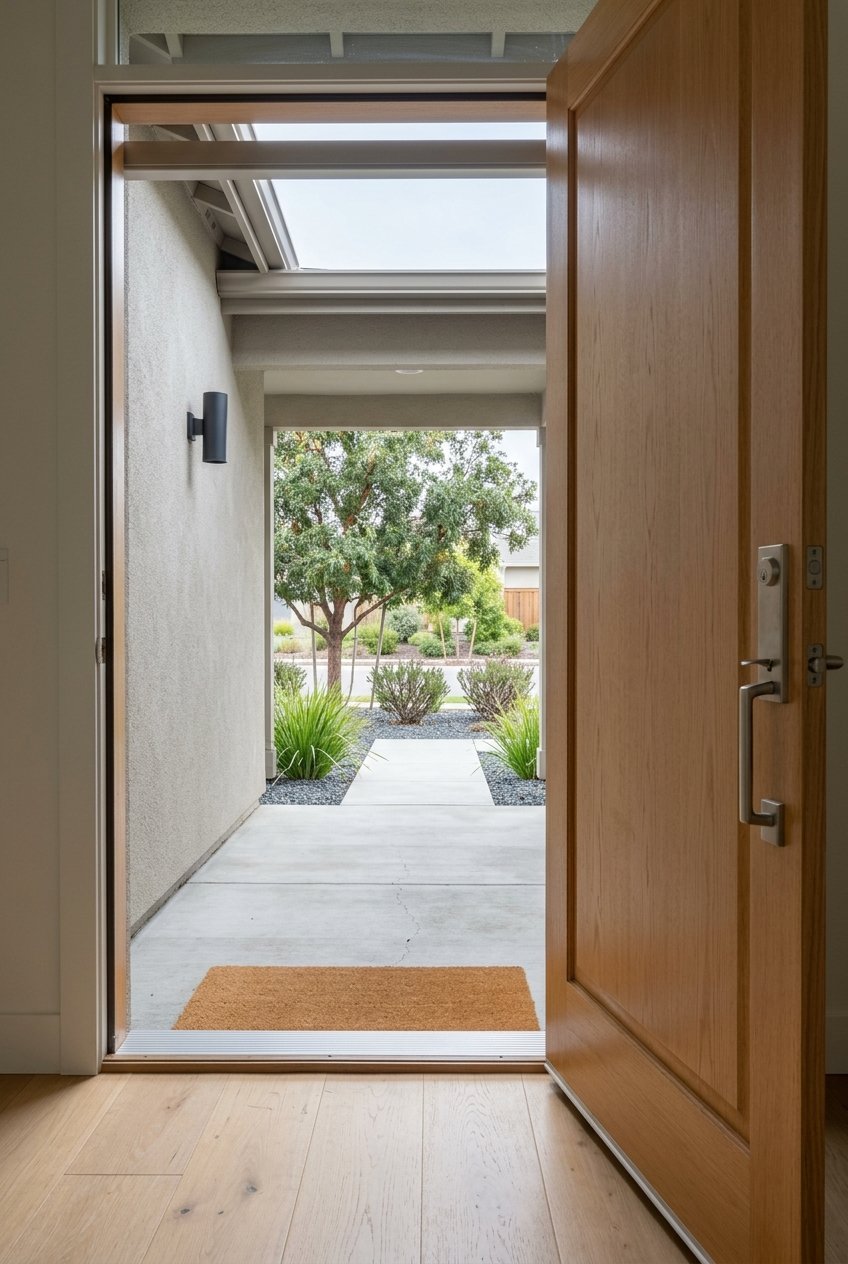
Fremont Move-Up Seller Guide for Buying and Selling Again
May 21, 2026
May 21, 2026
If you own a home in Fremont and want to make your next move, you are probably not asking, "Should I sell?" or "Should I buy?" You are really asking how to line up two major transactions without creating extra stress, surprise costs, or timing problems. In Fremont’s fast-moving market, that question matters even more because homes are selling quickly and often with multiple offers. This guide will help you understand your main options, the tradeoffs behind each one, and how to build a plan that fits your equity, cash position, and comfort with risk. Let’s dive in.
Fremont remains a competitive market. Redfin’s March 2026 data shows a median sale price of $1,503,250, about five offers per home, a median of 13 days on market, and a 104.2% sale-to-list ratio.
That pace changes the way you need to plan. If you are selling one home and buying another, it is often not realistic to wait until your current home is under contract before thinking about the next step. In many cases, your replacement-home strategy should be in place before your listing goes live.
A quick market can be helpful when you sell, but it can also add pressure when you buy. If the homes you want are moving fast, you may need to decide early whether your plan is to sell first, buy first, or create some overlap between the two.
The best path usually comes down to three things: equity, liquidity, and tolerance for overlap. Equity tells you how much value you may unlock from your current home. Liquidity tells you how much cash you can access for the next purchase and closing costs. Tolerance for overlap is about how comfortable you are carrying two housing obligations at once, even for a short period.
When those three pieces are clear, your options become easier to compare. Most Fremont homeowners end up choosing one of three broad approaches.
For many homeowners, selling first is the cleanest option. It gives you a clearer picture of your net proceeds, your budget for the next purchase, and the amount of cash you will actually have available when it is time to close.
This path also reduces the risk of carrying two mortgages at once. If your next home depends on proceeds from your current sale, selling first can create a more stable foundation for the purchase.
That said, selling first may mean you need a short-term housing plan if your next home is not ready in time. In Fremont, where homes move quickly, that is why planning ahead matters.
A sell-first strategy can be a strong fit if you want to:
This approach often works best when your move-up purchase depends heavily on the equity in your current home.
Some homeowners choose to buy before they sell, usually by writing an offer with financing and inspection contingencies. These contingencies can protect you if your loan does not come through or if the inspection reveals major issues.
That protection can be valuable, but there is a tradeoff. In a competitive Fremont market, an offer with more contingencies may look less attractive to a seller when compared with stronger competing offers.
This does not mean contingencies are wrong. It means you need to understand the balance between protection and competitiveness before you decide how aggressive to be.
Buying first may be worth considering if you:
In Fremont, this strategy usually works best when your financing is already well understood and your lender is part of the planning process early.
A rent-back or delayed-possession arrangement can help bridge the gap between the sale of your current home and the move into your next one. In simple terms, you close the sale, then remain in the home for a short period under a written agreement.
In California, possession normally transfers at close of escrow. The California Department of Real Estate explains that ownership and possession are delivered to the buyer at close, so any plan for the seller to stay after closing should be addressed in the transaction paperwork and not handled informally.
That detail matters. If you need extra time after closing, the terms should be coordinated in advance through escrow and reflected clearly in the written documents.
If you want to buy before you sell, temporary financing may be part of the conversation. The CFPB describes a bridge loan as temporary financing with a term of 12 months or less, including loans used to buy a new home while the borrower expects to sell the current one within that period.
Some homeowners also explore a HELOC or home equity loan. These can create access to funds tied to your existing equity, but they also add risk. A HELOC usually has a variable rate, and the lender may freeze future draws if home value or finances change. A home equity loan is secured by your home and can lead to foreclosure if it is not repaid.
If you are considering this route, your lender needs to know early. The structure of your borrowing can affect underwriting, and late changes can create closing problems.
One of the biggest mistakes in a sell-and-buy plan is underestimating cash needs. Closing costs alone typically run about 2% to 5% of the purchase price, according to the CFPB.
On a Fremont home priced around $1.5 million, that range is significant. It works out to roughly $30,000 to $75,000 in closing costs alone, before moving expenses, repairs, and other ownership costs.
California DRE materials also note that closing costs can include:
Escrow fees are not fixed by law and can vary by transaction and location. That is one more reason to build your budget with room for the real costs of both transactions.
In Fremont, the best move-up plans usually start before the home hits the market. Since lenders look at income, assets, employment, savings, monthly debts, credit report, and credit score, pre-listing is the time to review the full financial picture.
This is also when you should estimate likely net proceeds and decide what kind of purchase strategy you can support. Waiting until your home is already under contract can limit your options.
Here is a simple planning framework:
Because Fremont homes average 13 days on market, pricing, home prep, and home search often need to happen at the same time, not one after another.
California DRE explains that escrow usually opens when the fully executed purchase agreement is delivered to escrow. In Northern California, title companies often perform the escrow function.
During escrow, the escrow officer handles documents, funds, lender follow-up, recording, and disbursement. The escrow officer is a neutral third party, which means they do not negotiate contract terms or give legal advice.
Closings can still be delayed. DRE notes that underwriting issues, missing signatures, or disputes can slow the process, and recording only happens after good funds have cleared. Even on closing day, wire timing and lender funding still matter.
Selling and buying again is not just two separate deals. It is one plan with many moving parts. Your listing timeline affects your buying timeline, your lender strategy affects your offer strength, and your escrow schedule affects your move.
That is why a broker-led, hands-on process can make a meaningful difference. When one household is selling one property and buying the next, you need clear communication, realistic timing, and someone focused on keeping every part aligned.
For some Fremont homeowners, that also includes preparing the current home to sell more effectively. If strategic pre-market improvements could help your sale outcome, that work should be evaluated early so it supports the timeline instead of delaying it.
There is no single right answer for every Fremont homeowner. The right sequence depends on how much equity you have, how much cash you can access, and how much overlap you are willing to carry.
If you want more certainty, selling first is often the clearest route. If you want more flexibility, buying first with contingencies may help, though it can weaken your offer in a competitive market. If you need overlap, tools like rent-back or temporary financing can help, but only when the lender, escrow, and move schedule are tightly coordinated.
If you are weighing your next move in Fremont, working with a responsive, broker-led team can help you map the timing, budget, and strategy before decisions get rushed. To talk through your options, request a free consultation with Dixit Properties.
He have built a vast array of clients in the Bay Area, whether it be a luxury estate client, first-time homebuyer, or seasoned investor. The driving principles include putting the clients' needs first, built on a foundation of hard work, trust, and integrity.