Shopping for a brand-new home in Dublin can feel exciting and overwhelming at the same time. You want modern design, low maintenance, and great amenities, but you also need clarity on costs, timelines, and what to watch out for in builder contracts. In this guide, you’ll learn how new construction works in Dublin, what typical homes and amenities look like, how HOAs and Mello-Roos affect your budget, and the smart steps to take before you sign. Let’s dive in.
Why buy new in Dublin right now
Dublin sits in a high-demand East Bay corridor where new master-planned communities and infill projects continue to add inventory. Typical Dublin home values hover around the low-to-mid $1 million range, with many new townhome-style condos in the mid-$1 million band and larger single-family homes often pushing into the $2 million range. That context helps you gauge where new construction fits your goals and budget.
You’ll also see projects tied to Community Facilities Districts that fund local infrastructure for new neighborhoods. The City of Dublin lists active districts that cover areas like Dublin Crossing and East Ranch, which is useful when you want to confirm whether a specific parcel carries a special tax. You can review the city’s list of Community Facilities Districts to see what applies in your target area.
What “new” looks like: plans and amenities
New Dublin communities commonly offer:
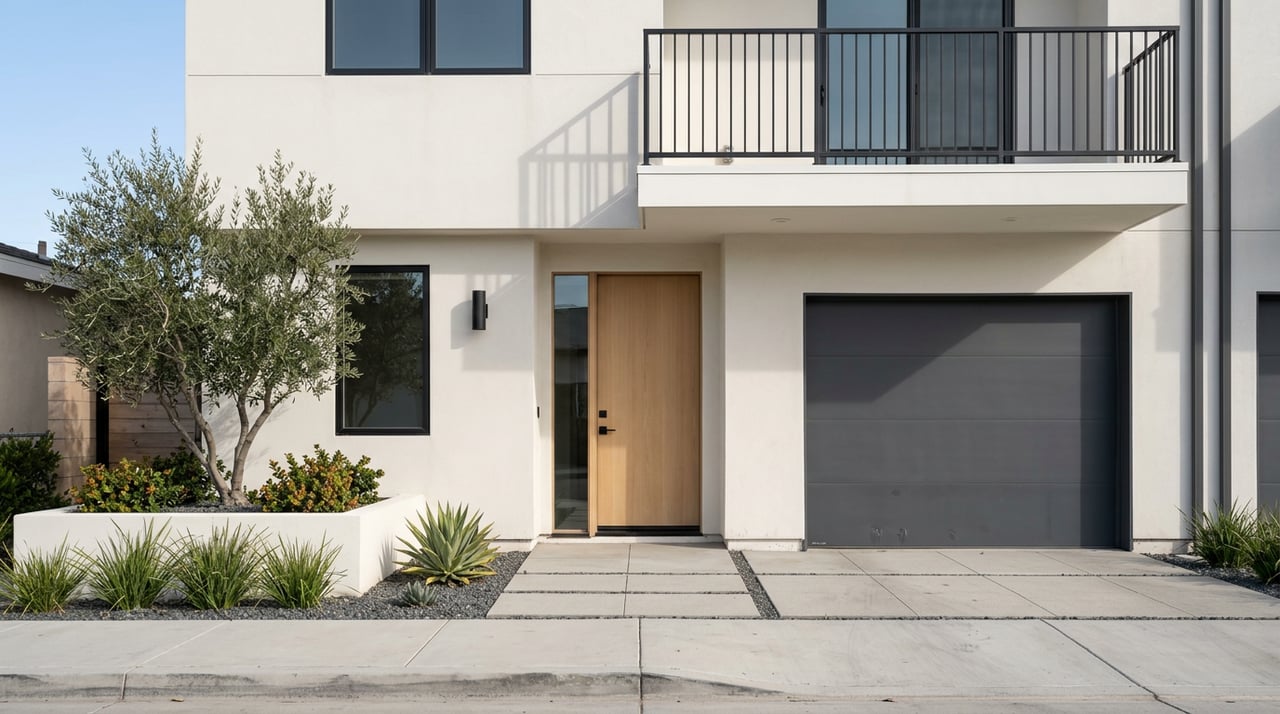
- Townhome-style condos about 1,600 to 2,200 square feet with 2 to 4 bedrooms and attached garages.
- Larger single-family plans often 2,500 to 3,500+ square feet, depending on builder, lot, and phase.
- Open-concept living, high ceilings, modern kitchens, energy-efficient systems, and EV-readiness in many cases.
Master-planned amenities can include a community recreation center with fitness space, resort-style pools, playgrounds, greenbelts, dog areas, and trail connections. Amenities sometimes phase in as new sections open, so confirm what will be complete at your close versus what is planned later.
HOAs and Mello-Roos, explained
Understanding recurring costs helps you compare new vs. resale with confidence.
What your HOA covers
New communities in Dublin often have layered associations. You might see a building-level HOA plus a master association that maintains shared roads, landscaping, and amenities. Monthly dues typically fund property management, insurance for common areas, landscaping, amenity upkeep, and reserves. Amounts vary by community and amenity package, so request the current budget and reserve study before you finalize numbers.
What Mello-Roos means
Mello-Roos special taxes are levied by Community Facilities Districts formed under California’s Mello-Roos Community Facilities Act. The district’s Rate and Method of Apportionment defines how the tax is calculated, maximum amounts, and any annual escalations. If your parcel is inside a CFD, the special tax appears as a separate line on your property tax bill. You can read the state code background in the Mello-Roos Community Facilities Act for a plain-language foundation.
- Legal basics: A CFD can levy an annual special tax on properties within its boundary to repay bonds or fund services. See the California Government Code overview of the Mello-Roos Act.
- How to confirm: Check the Alameda County secured tax bill for the parcel and look for CFD line items. The City of Dublin maintains a list of active districts and is a helpful reference when identifying district names and contact information. Review the City of Dublin’s Community Facilities Districts page to locate the relevant district.
How these charges affect affordability
Lenders typically include HOA dues and any Mello-Roos special tax in your monthly housing expense for qualification. That means the same purchase price can qualify differently depending on whether the home has a CFD and the level of HOA dues. Before you commit, model your full monthly payment with principal and interest, base property tax, HOA dues, any Mello-Roos, insurance, and expected utilities.
Timeline, contracts, and deposits
New construction inventory usually falls into two buckets:
- Move-in-ready (spec) homes: You can often close in 30 to 45 days once your loan is cleared.
- To-be-built or presale: You sign a purchase agreement, follow a staged deposit schedule, make design-center selections, and close months later when the home is complete.
Every builder’s contract is different. Key items to review before you sign:
- Deposit schedule and when funds become nonrefundable.
- Whether your price, lot premium, and design upgrades are fully locked.
- Appraisal and financing contingency language, which may be limited in builder contracts.
- Construction timeline, extension terms, and what happens if the schedule shifts.
- Change-order rules and cutoffs for design selections.
A knowledgeable buyer’s agent will help you parse these details, negotiate incentives or credits, and register your representation at the first model-home visit so your interests are protected from day one.
Inspections and warranties
New homes are inspected by local authorities, but you should still plan your own independent inspections.
- Pre-drywall inspection: When access is allowed, this gives you a look at framing, mechanicals, and rough-ins before walls are closed.
- Final inspection and walkthrough: Verify completion, test systems, and document the punch list.
- 11-month review: Many builders provide a one-year workmanship warranty. Schedule a thorough review around month 11 so covered items can be addressed before the first-year warranty expires.
Most builders offer a warranty similar to a “1-2-10” structure: 1 year for workmanship/materials, 2 years for major systems, and 10 years for qualifying structural components. You can review a common third-party framework in the 2-10 Home Buyers Warranty brochure to understand coverage scope and claim steps.
Financing new condos and townhomes
If you are buying a condo or certain townhome products, your lender may need a project-level approval before issuing a conventional loan. Early in your process, ask whether the project is considered “warrantable” under Fannie Mae guidelines and what review path applies. Some projects require additional documentation or a specific approval status before conventional or certain government loans are available. You can read Fannie Mae’s Project Eligibility Review Service overview for more detail on the process.
How to compare builders
Not all builders operate the same way. Use these criteria:
- Reputation and track record: Visit completed communities and ask current owners about post-close service.
- Warranty structure and service: Confirm who backs the warranty, what it covers, and how claims are handled. Ask for the warranty booklet and service contacts.
- Transparency of pricing: Verify base price, lot premiums, upgrade pricing, and closing adjustments so you know the net purchase price.
- Construction access and inspections: Ask whether third-party inspectors are allowed at key milestones.
- Incentives: Compare interest-rate buydowns, closing-cost credits, and design-center allowances across builders and phases.
Your Dublin new-build due diligence checklist
Use this step-by-step list to stay organized:
- Confirm the parcel APN and pull the latest Alameda County secured property tax bill. Look for CFD/Mello-Roos line items and note the current annual charge. Cross-check district names on the City of Dublin’s Community Facilities Districts list.
- Request the full builder contract early. Have your buyer’s agent and, if needed, a real-estate attorney review price lock terms, deposit milestones, contingency language, and termination rights.
- Ask for the HOA packet: CC&Rs, bylaws, current budget, most recent reserve study, and HOA board minutes for the last 12 months. Verify current dues and any scheduled special assessments.
- If buying a condo or townhome, confirm the project’s financing path. Ask your lender whether the project is already approved or requires a Fannie Mae project review. Read Fannie Mae’s PERS guidance to understand how approvals work.
- Obtain warranty documents before you sign. A “1-2-10” format is common. Plan a 12-week service check and an 11-month review. See the 2-10 Home Buyers Warranty summary for typical coverage structure.
- Schedule independent inspections. Aim for a pre-drywall inspection if allowed, plus a detailed final inspection and blue-tape walkthrough.
- Verify your full monthly model with your lender. Include base mortgage payment, taxes, HOA dues, any Mello-Roos, insurance, and estimated utilities. Ask how each item affects qualification and reserves.
Putting it all together
Buying new construction in Dublin can be a smart move if you balance the appeal of modern design and amenities with a clear view of costs and timelines. The biggest variables to plan for are HOA dues, potential Mello-Roos, design-center upgrades, and lender requirements for certain building types. With the right due diligence and representation, you can secure a home that fits your budget today and holds value over time.
If you want a local, boutique team to advocate for you from the first model visit to the 11-month warranty review, we’re here to help. We’ll compare builders, model your all-in monthly costs, register your representation, coordinate inspections, and negotiate incentives where possible. Reach out to Dixit Properties to Request a free consultation.
FAQs
What is Mello-Roos in Dublin and how do I check it?
- Mello-Roos is a special tax from a Community Facilities District that funds infrastructure or services. Confirm by reviewing the parcel’s tax bill and cross-referencing the City of Dublin’s list of Community Facilities Districts.
How much are HOA dues for new Dublin communities?
- Dues vary by community and amenity level. Request the current HOA budget and reserve study to confirm the exact monthly amount and any upcoming assessments before you finalize your offer.
Do lenders include HOA and Mello-Roos in qualifying?
- Yes. Most lenders include HOA dues and any Mello-Roos special tax in your monthly housing expense, which can affect how much you qualify to borrow.
What inspections should I do on new construction?
- Plan a pre-drywall inspection if allowed, a thorough final inspection with a detailed punch list, and an 11-month review so covered items can be addressed before the first-year workmanship warranty expires.
How long does it take to close on a new-build home?
- Move-in-ready homes often close in 30 to 45 days. To-be-built homes can take several months from contract to completion, based on construction progress and your design selections.
What does a new-home warranty usually cover?
- Many builders offer a “1-2-10” structure: 1 year for workmanship/materials, 2 years for major systems, and 10 years for qualifying structural components. Ask for the warranty booklet and claims process in writing.
Are condo loans different for new projects?
- Often, yes. Many lenders require a project-level review to confirm warrantability before conventional financing is available. Check early with your lender and ask about Fannie Mae’s review process and timelines.
Why should I bring my own buyer’s agent to a model home?
- The on-site sales team represents the builder. Your agent represents you, helps interpret the contract, protects your interests, coordinates inspections, and should register with you at your first visit so you receive full representation.
Links referenced in this guide: