Is the Downtown San Mateo Lifestyle Right for You?
May 14, 2026
May 14, 2026
Are you picturing a home where dinner, coffee, errands, and the train are all within a short walk? For some buyers, downtown San Mateo offers exactly that kind of convenience. For others, the same energy can feel a little too active day to day. This guide will help you decide whether walkable downtown San Mateo fits your lifestyle, commute, and housing goals. Let’s dive in.
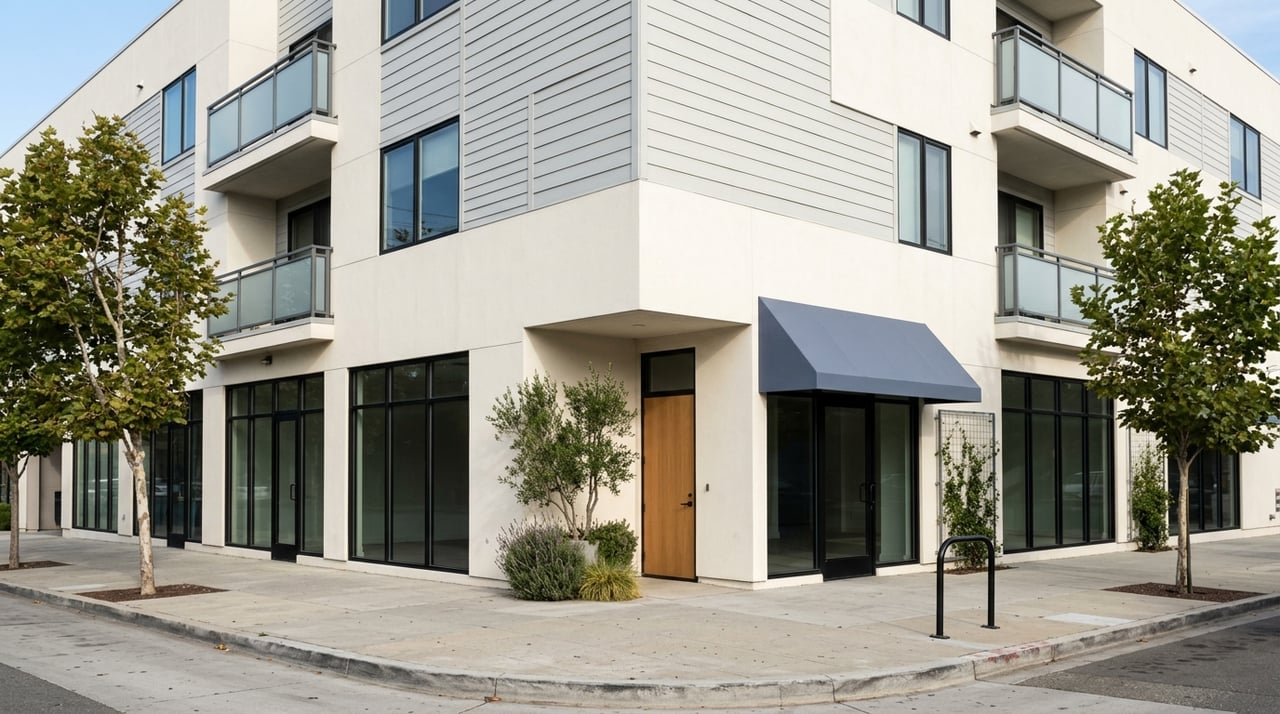
Downtown San Mateo is designed to function as a compact, active city center. The Downtown San Mateo Association describes it as roughly five square blocks with more than 100 dining destinations, shopping, and local art.
The City of San Mateo’s Downtown Area Plan reinforces that vision. It supports mixed-use, higher-density housing, strong retail frontage, pedestrian amenities, and a downtown environment built around walking and transit rather than everyday car dependence.
If you enjoy having a lot happening close to home, that setup can be a major plus. If you want more separation between home life and street activity, it may be worth looking just outside the core.
One of downtown San Mateo’s biggest draws is variety. The current restaurant mix includes cafés, bakeries, boba shops, ramen, sushi, dumplings, hot pot, Indian food, Italian spots, dessert shops, wine bars, cocktail lounges, and specialty food stores.
That means your day-to-day routine can feel easy and flexible. You can grab coffee, meet friends for dinner, pick up a few groceries, or try somewhere new without planning around a long drive.
For many buyers, that convenience is not just about fun. It can also make weeknights simpler and weekends more spontaneous.
Walkability is not just about stores and restaurants. It is also about having places to go and reasons to be out in the neighborhood.
Downtown’s event calendar includes recurring community programming like a weekly farmers’ market, karaoke, dance, and community nights. Central Park, located at 50 E. 5th Ave, adds another major amenity with its 16.3 acres and community events such as the Central Park Music Series, 4th of July in the Park, and Eggstravaganza.
If you want a neighborhood where activity is built into the environment, downtown has a strong case. You are not relying only on your home for lifestyle value.
For many Peninsula buyers, commute options can make or break a location. Downtown San Mateo stands out because San Mateo Station sits right in the district on Transit Center Way between 1st Avenue and North B Street.
Caltrain’s electrified service plan calls for half-hour local service during off-peak periods and weekends at all stations, along with four trains per hour in each direction during weekday peak periods on the San Francisco to San Jose corridor. That makes downtown especially practical if you want rail access built into your routine.
Downtown also offers more than one way to get around. The Downtown San Mateo Association lists SamTrans routes ECR, 250, 252, 292, and 295 as serving the area.
If you bike, the district includes bike racks at the station and on nearby streets. If you still plan to drive regularly, downtown has nearly 3,000 public parking spaces, which adds flexibility even in a more walk-oriented setting.
If you want to live in the heart of walkable downtown San Mateo, the housing pattern matters. City policy and current project pages point toward a mixed-use, higher-density environment rather than a detached-home neighborhood.
The Downtown Area Plan encourages high-density residential development in the Retail Core. Current downtown proposals include a 15-story building with 236 rental units at 1 E. 4th Ave, a seven-story building with 72 units at 500 E. 4th Ave, and a five-story building with 120 rental units at 477 9th Ave.
In practical terms, that often means a lifestyle centered on condos or apartments, smaller footprints, shared amenities, and building-based parking or management systems. If low maintenance is high on your list, that can be appealing.
If you like the idea of walkability and rail access but want to broaden your search, nearby transit-oriented pockets may be worth a look. Bay Meadows, Station Park Green, and Hayward Park all reflect a more multifamily, transit-connected pattern.
Bay Meadows includes mixed-use development, and Station Park Green is described by the city as a mixed-use community with 599 homes, a public park, and ground-floor retail and office space near the Hayward Park Caltrain station. The Hayward Park station project page also shows a five-story residential building with 191 apartment units planned on the station parking lot site.
Taken together, these areas may be a strong match if you want newer housing, lower exterior maintenance, and easy transit access without being in the busiest part of downtown itself.
Walkable downtown living is not ideal for every buyer. If your top priority is a detached home on its own lot, the core may feel too urban in both housing type and rhythm.
That does not mean you need to give up downtown access altogether. It may simply mean your best fit is in a nearby residential area rather than in the center of the action.
Some buyers love being close to restaurants, events, and transit. Others want calmer streets, a more suburban feel, and a little more distance from commercial activity.
In that case, nearby neighborhoods like Baywood and Sunnybrae may offer a better balance. Baywood’s neighborhood history notes that its first subdivision in 1927 created 445 lots for single-family dwellings, while Sunnybrae is described in city materials as a residential neighborhood south of downtown and east of the railroad with mainly single detached homes plus some apartments and ADUs.
These areas may suit you if you want access to downtown San Mateo without living in its most active blocks.
If you are unsure whether walkable downtown San Mateo is right for you, start by thinking about how you want your week to feel. Do you want to walk to dinner, use Caltrain often, and spend less time driving? Or do you want more private outdoor space, quieter surroundings, and a more traditional residential setup?
A helpful way to compare your options is to think in three buckets:
There is no one-size-fits-all answer. The right choice depends on the trade-offs that matter most to you.
When buyers search in and around downtown San Mateo, it helps to compare more than just price and square footage. Lifestyle fit matters just as much.
As you tour homes, pay attention to:
That kind of side-by-side comparison can keep you from choosing a home that looks right on paper but feels wrong once you move in.
At Dixit Properties, we help buyers think through those real-life trade-offs clearly. If you are comparing downtown San Mateo with nearby residential pockets, we can help you narrow the search based on commute needs, housing style, and the day-to-day lifestyle you actually want.
When you are ready to talk through your options, request a free consultation with Dixit Properties.
He have built a vast array of clients in the Bay Area, whether it be a luxury estate client, first-time homebuyer, or seasoned investor. The driving principles include putting the clients' needs first, built on a foundation of hard work, trust, and integrity.