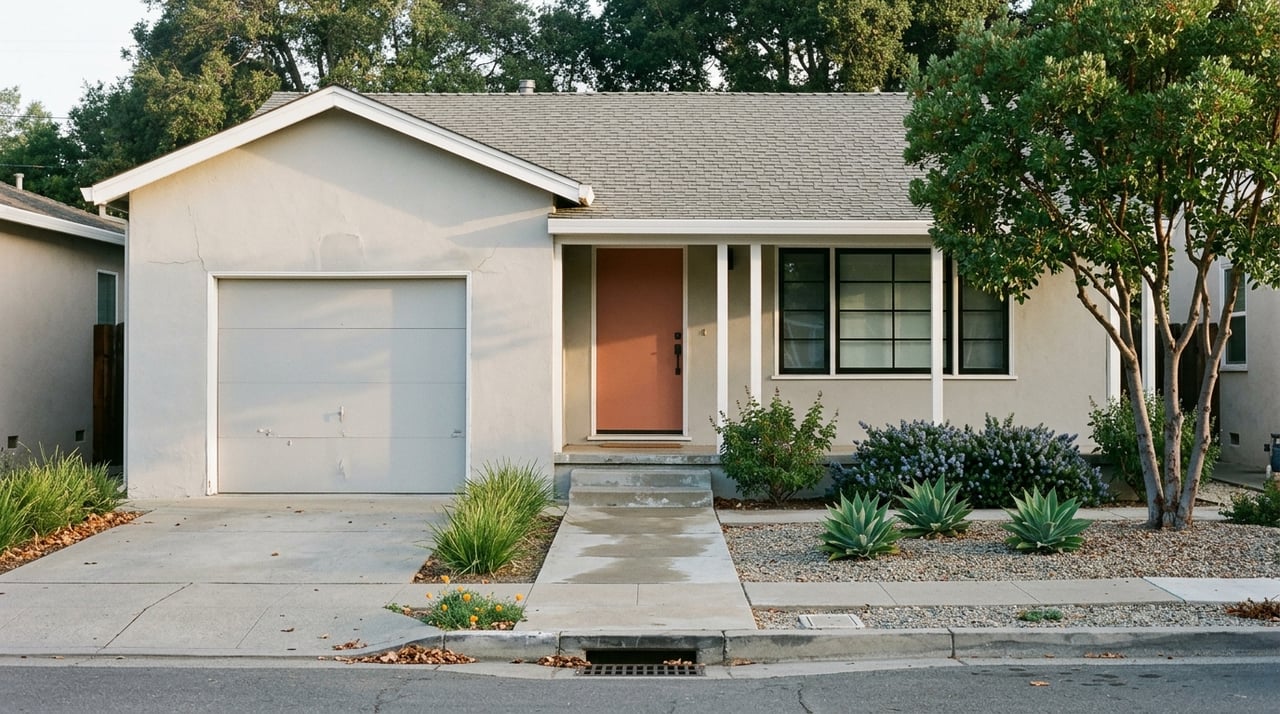
Living in Hayward CA: Is This Central East Bay Fit Right?
July 23, 2026
July 23, 2026
Wondering whether Hayward’s central Bay location is a real advantage or just a catchy phrase? If you’re weighing commute options, home prices, and day-to-day lifestyle, that question matters more than ever. The good news is that Hayward offers a mix of regional access, housing variety, and outdoor space that stands out in the East Bay, but it also comes with tradeoffs you should understand before you buy. Let’s dive in.
Hayward’s biggest strength is simple: it sits in the middle of a lot of Bay Area activity. The City of Hayward describes itself as centrally located, with access to freeways, freight rail, Amtrak, and BART. The city also notes that Hayward is within 30 miles of San Francisco, Silicon Valley, three international airports, and a major West Coast port.
For many buyers, that kind of geography creates flexibility. You may not work in Hayward every day, but you can still use it as a practical home base for reaching different parts of the region. That is a major reason the city appeals to buyers who want Bay Area access without focusing on just one employment center.
If your first question is, “Can I actually get where I need to go from here?” the answer is often yes. Hayward has two BART stations in the network, including Hayward Station downtown and South Hayward Station. BART also notes that Hayward Station is near a pedestrian-friendly downtown area with housing, shops, offices, restaurants, and AC Transit connections.
Commute times also help tell the story. The U.S. Census Bureau reports a mean travel time to work of 32.3 minutes in Hayward. That does not guarantee an easy trip for every household, but it does support Hayward’s role as a regional commute base rather than a city cut off from the rest of the Bay Area.
Some buyers need to drive. Others want transit access, or at least the ability to mix transit and driving depending on the day. Hayward’s transportation network gives you more than one way to think about your commute, which can be valuable if your work routine changes over time.
That flexibility may be especially useful if you work in different parts of the East Bay, head into San Francisco on certain days, or want easier airport access. A central location does not remove commute stress completely, but it can widen your choices.
One of the most important things to know is that Hayward is not standing still. The city is actively planning transit-oriented, mixed-income development around the downtown BART station. That suggests the downtown core is still changing, with new investment shaping what the area will look and feel like over time.
The city’s broader planning documents point in the same direction. Hayward has identified Downtown, the Cannery area, the South Hayward BART area, and Mission Boulevard as key places for revitalization and smart-growth planning. In plain terms, the city is working toward a more walkable, mixed-use environment in several important areas.
If you like the idea of living near an urban core that is improving and adding activity, Hayward may feel promising. Areas near transit and downtown can appeal to buyers who want convenience, mixed-use surroundings, and the possibility of long-term neighborhood change.
If you prefer a place that already feels fully built out and settled, Hayward’s evolving character may feel less predictable. That does not make it a bad fit. It simply means you should view the city as a market with momentum, not a finished product.
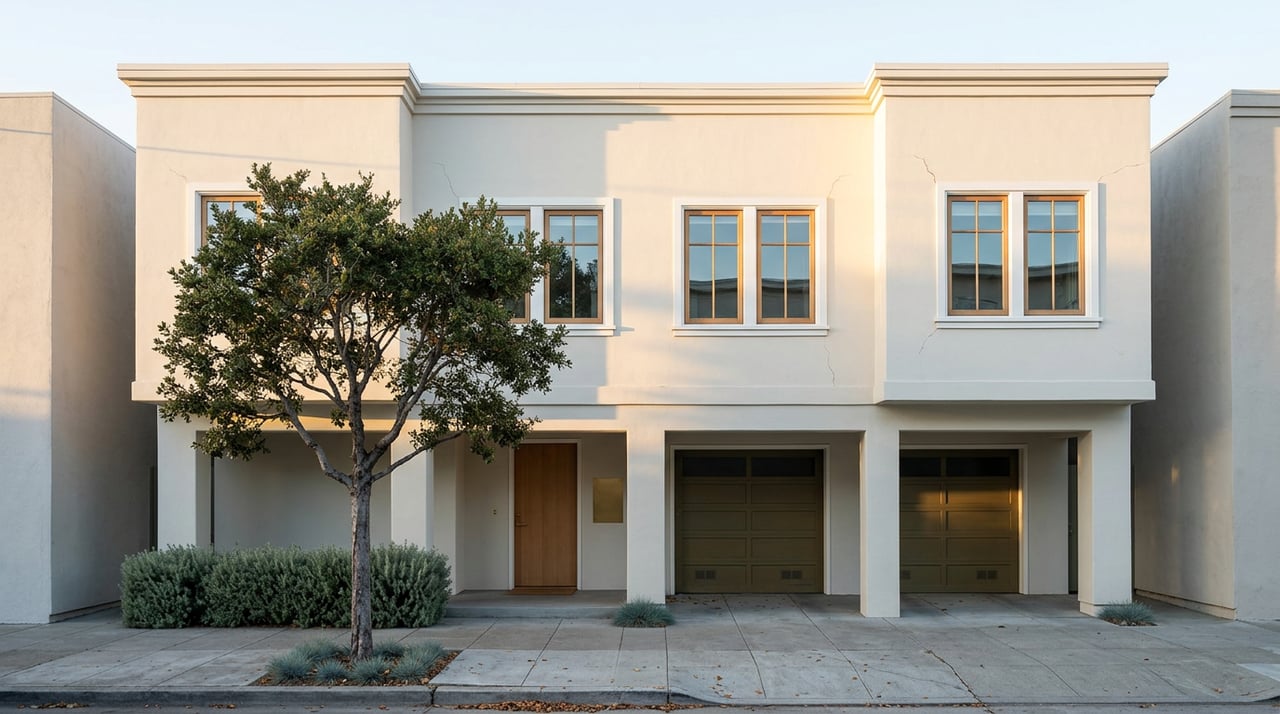
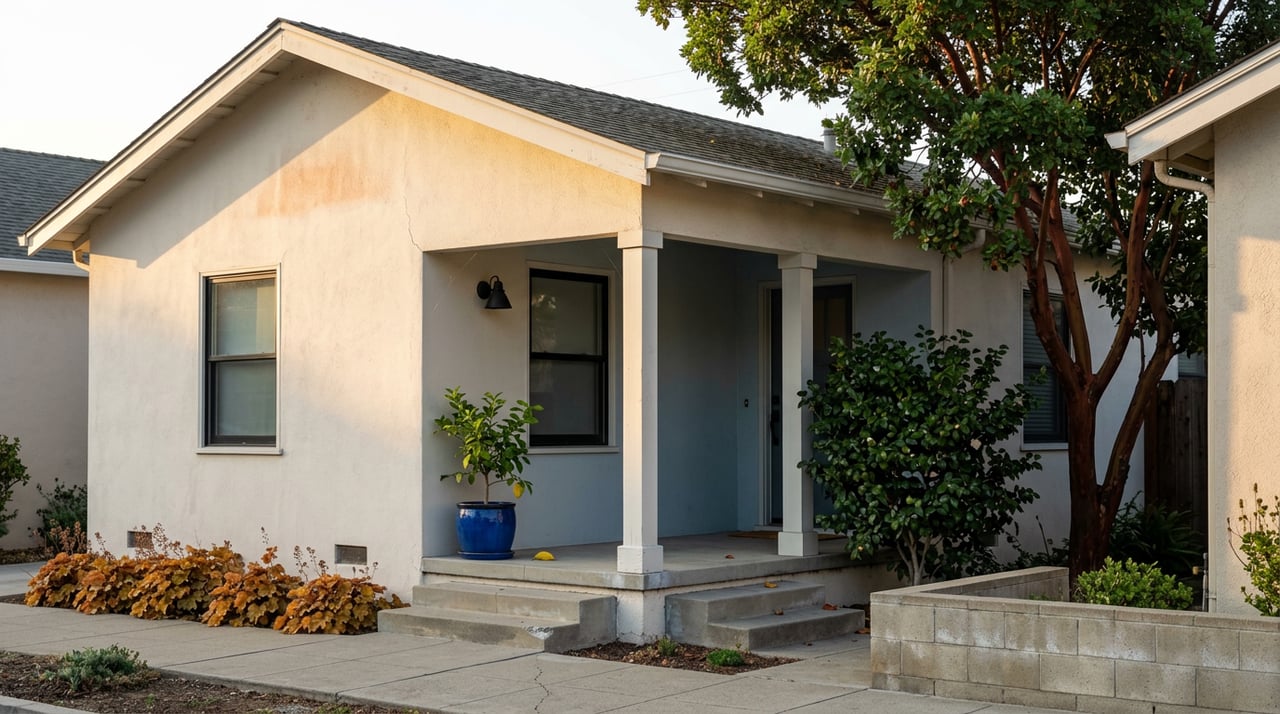
Hayward’s housing stock is one of its quiet strengths. City land-use designations include detached single-family homes, second units, duplexes, triplexes, fourplexes, townhomes, apartments, condominiums, live-work units, and mixed-use buildings near transit and downtown.
That variety matters because it gives buyers more than one path into the market. You may be looking for a traditional house, a lower-maintenance condo, a townhome with more space, or a multi-unit property with investment potential. Hayward supports all of those search goals better than markets with a narrower housing mix.
Hayward is not overwhelmingly owner-occupied, but it still has a meaningful ownership base. Census data shows an owner-occupied housing rate of 58.0%, with a 2025 population estimate of 157,113. That creates a more mixed housing landscape than you might see in some nearby cities.
The city’s housing summary adds more context. About half of households are renters, housing-unit growth has lagged population growth, and larger rental units are limited. For buyers, that reinforces the value of understanding your long-term housing needs before you make a move.
For many buyers, the biggest reason to consider Hayward is value relative to nearby cities. Census data places the median value of owner-occupied homes at $854,400. Redfin reported a median sale price of $884,471 in May 2026, with homes taking about 17 days to sell and averaging two offers.
That pricing puts Hayward in an interesting middle position. Based on the research provided, Hayward is less expensive than Alameda, Berkeley, Fremont, and Alameda County overall. It is closer in price to Oakland and San Leandro.
In practical terms, Hayward may give you access to the Bay Area housing market at a lower price point than several nearby cities. That does not mean it is inexpensive. It does mean your budget may stretch further here than it would in some neighboring markets.
For first-time buyers and move-up buyers alike, that balance can be appealing. You are not just comparing sticker prices. You are comparing location, commute flexibility, housing type, and what your monthly budget can realistically support.
Location is not only about getting to work. It also shapes how you spend your weekends, where you go for fresh air, and how connected you feel to your surroundings. Hayward has a strong outdoor recreation profile that can be easy to overlook if you focus only on transit and price.
The city says it has more than 3,000 acres of parks and open space, along with 20 miles of running and hiking trails. East Bay Regional Park District also identifies major nearby open-space assets, including Hayward Regional Shoreline and the combined trail systems of Garin Regional Park and Dry Creek Pioneer Regional Park.
If you want more room to get outside without leaving the East Bay, Hayward offers meaningful options. Marshland trails, shoreline areas, and regional parks add a different dimension to daily life. That can be a real quality-of-life factor if you value recreation close to home.
For some buyers, this outdoor access helps Hayward feel more balanced. You are not choosing between regional connectivity and recreation. In many cases, you can have both.
No market is perfect, and Hayward is no exception. While the city is investing in downtown and transit-oriented growth, it still includes many older, more auto-oriented suburban neighborhoods. Depending on what you want, that may feel familiar and practical, or less aligned with a walkable lifestyle.
Affordability pressure is also still real. The city’s housing needs summary notes that median rents are commonly above $2,000 per month. Combined with current home prices, that is a reminder that Hayward may offer relative value within the Bay Area, but it is not a low-cost market.
Before deciding whether Hayward is right for you, it helps to think through a few basics:
If you answer yes to most of those questions, Hayward may be a strong match.
Hayward often makes the most sense for buyers who want a central East Bay base with options. That includes people who commute around the region, first-time buyers comparing price points, and households that want more housing variety than they may find in some neighboring areas.
It can also fit buyers who see potential in an evolving downtown and want to be near transit, parks, and major Bay Area corridors. If your goal is to balance access, flexibility, and price positioning, Hayward deserves a close look.
Hayward’s central Bay location is not just a slogan. It is supported by regional access, BART connectivity, varied housing options, and pricing that remains lower than several nearby Bay Area cities. At the same time, you should go in with clear eyes about affordability pressure and the fact that some parts of the city are still in transition.
The right fit comes down to your priorities. If you want a practical Bay Area launch point with room for different lifestyles and budgets, Hayward may offer more than you expect. If you want help comparing neighborhoods, property types, or value across the East Bay, Dixit Properties is here to help.
He have built a vast array of clients in the Bay Area, whether it be a luxury estate client, first-time homebuyer, or seasoned investor. The driving principles include putting the clients' needs first, built on a foundation of hard work, trust, and integrity.