San Jose Santana Row Living: What to Expect Nearby
June 25, 2026
June 25, 2026
If you want a home base where dinner plans, errands, workouts, and weekend meetups can all happen within the same corridor, the Santana Row and Westfield Valley Fair area stands out fast. At the same time, living here comes with real tradeoffs, from traffic activity to housing that leans more attached and low-maintenance than yard-focused. This guide will help you understand what daily life looks like near this part of San Jose, what kinds of homes you are most likely to find, and who this location tends to fit best. Let’s dive in.
Santana Row and Westfield Valley Fair form a major mixed-use hub on the west side of San Jose near the Santa Clara border. Santana Row describes itself as a place for shopping, dining, living, working, and leisure, with more than 2.5 million square feet of retail, office, residential, and hotel space. That includes over 50 shops, 30 restaurants, 662 rental homes, 219 privately owned condos, a 215-key boutique hotel, and about 1 million square feet of Class A office space.
Right next door, Westfield Valley Fair functions as another major lifestyle and retail center along Stevens Creek Boulevard. Westfield currently lists 207 shops and 71 restaurants, which gives the area a broad mix of everyday convenience and destination-style retail. Together, these two centers create one of the most active live-work-shop corridors in the South Bay.
This part of San Jose is not just popular by accident. It also fits into the city’s urban village strategy, which focuses on areas with housing, jobs, transit access, and walkable, bicycle-friendly design. The Santana Row/Valley Fair Urban Village Plan says the district is meant to become a complete neighborhood with housing, retail, public gathering places, open space, and multiple transportation options.
That matters if you are thinking long term. You are not buying into a static neighborhood here. You are buying into an area the city views as an evolving center for future growth and redevelopment.
The biggest draw is convenience. In this corridor, you can go from coffee to errands to dinner without bouncing across several neighborhoods. That kind of concentration is hard to replicate in more spread-out parts of the Bay Area.
Santana Row’s dining mix includes casual and upscale options such as Left Bank Brasserie, Yard House, Eataly, Din Tai Fung, Cielo Rooftop Bar, and Vintage Wine Bar. That mix gives the district a strong social rhythm after work and on weekends. If you like being able to meet friends, grab a quick meal, or enjoy a night out without much planning, this area supports that lifestyle well.
The appeal goes beyond food. Santana Row also includes fitness, wellness, salon, health, and entertainment uses such as Barry’s, Burke Williams, Carbon Health, Hot 8 Yoga, and CineArts at Santana Row. Westfield Valley Fair adds practical services like valet parking, paid parking, EV charging, package lockers, stroller rentals, free Wi-Fi, and a family lounge.
For many buyers, that means daily life can feel unusually efficient. You can stack multiple tasks into one outing and keep a lot of your routine close to home. That is a major quality-of-life benefit if your schedule is full.
This is one of the most important things to understand before you buy nearby. The core area is walkable once you are there, but it is still built to handle significant vehicle traffic. In other words, it feels more like a destination district with walkable blocks than a fully car-free neighborhood.
Santana Row offers self-parking with the first two hours free, then a fee after that, plus 24/7 valet. Westfield Valley Fair also emphasizes paid parking and valet. Those details show how much the area is designed around heavy visitor volume.
If you love an active environment, that may feel energizing. If you prefer quieter residential streets and easier parking conditions, it is worth thinking carefully about how close to the core you want to be.
Transit is workable here, but it is more bus-centered than rail-centered. VTA Route 23 serves the Stevens Creek corridor and stops at Stevens Creek & Santana Row / Valley Fair. That gives you a direct transit option tied to the district itself.
Nearby rail access is available through Winchester Station on the Green Line. Route 60 connects Winchester Station with Santa Clara Transit Center, San Jose Mineta International Airport, and Milpitas BART. For some buyers, that creates a useful backup to driving, even if transit may not fully replace a car for every trip.
The location also offers strong access to job centers across the South Bay. VTA’s route system includes express routes 101 through 104 to Stanford Research Park, which is home to more than 150 companies and about 10 million square feet of lab and office space. For buyers who want a relatively central commute pattern, that regional positioning can be a meaningful advantage.
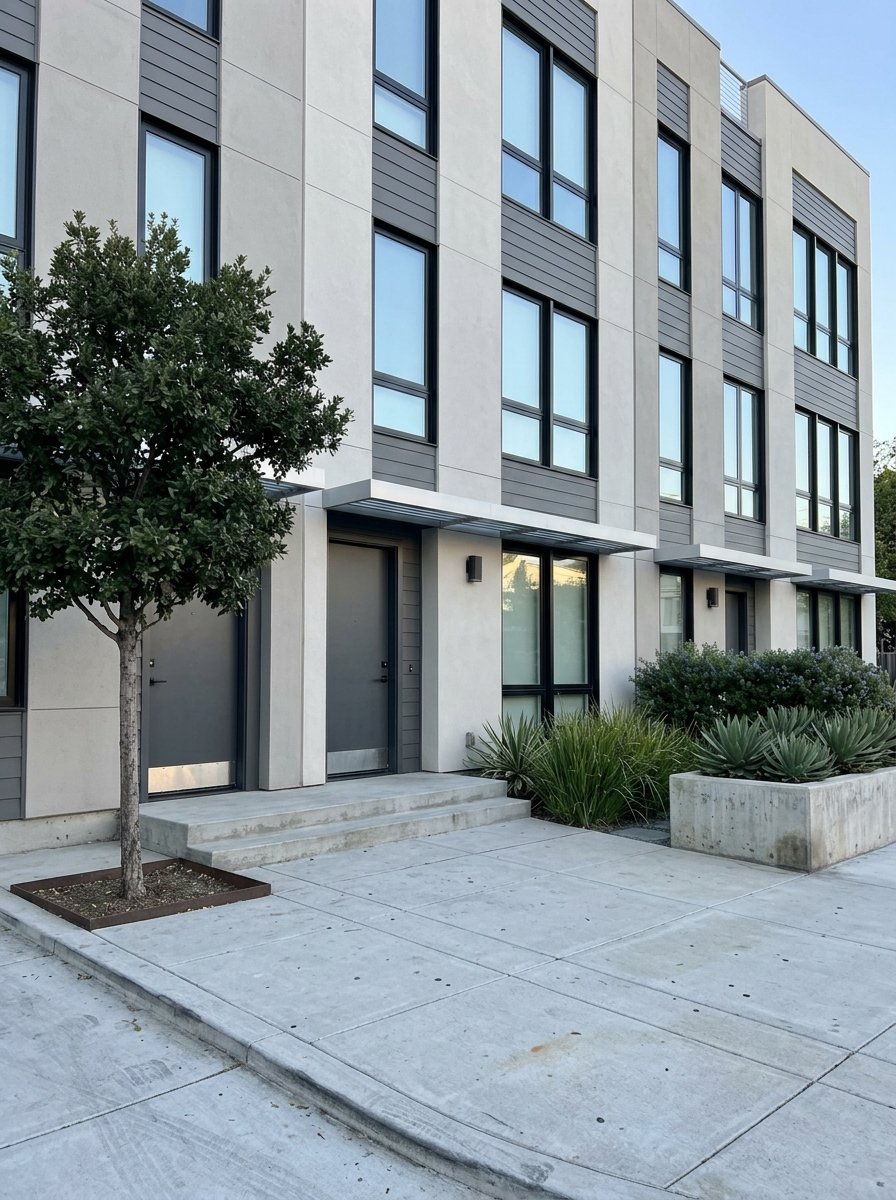
Housing near Santana Row and Westfield tends to skew toward higher-density, low-maintenance living. On-site inventory at Santana Row includes 662 rental homes and 219 privately owned condominiums. Within the urban village area, residential uses are predominantly multi-family, while surrounding areas are more heavily single-family detached.
In practical terms, your closest housing options are more likely to be condos and other attached homes. As you move farther out from the core, detached-home pockets become more common. That gives buyers a range of choices, but the immediate lifestyle district is much more aligned with attached housing than large-lot living.
This matters for both lifestyle and budgeting. Buyers who want simpler upkeep may see this as a plus, while buyers who want more private outdoor space may prefer to widen the search radius.
Because this district is part of San Jose’s urban village strategy, change should be expected. The city views urban villages as places meant to absorb housing and job growth, and the Santana Row/Valley Fair plan is a framework for future redevelopment. That points to continued density and an environment that may keep evolving over time.
For you, that can cut both ways. Growth can support more amenities, more housing options, and stronger long-term relevance. It can also mean periodic construction, shifts in neighborhood character, and a setting that feels more dynamic than settled.
Living near Santana Row and Westfield usually appeals to buyers who value convenience, restaurant access, social energy, and a modern urban feel. If you want a home base near activity and do not mind a busier environment, this area can check a lot of boxes. It may also appeal to buyers who prefer low-maintenance homes and a lock-and-leave lifestyle.
This location can also make sense for some investors looking at condos or other attached housing in a high-amenity corridor. The built-in draw of shopping, dining, and regional access is easy to understand from a tenant and resale perspective. As always, the right fit depends on your goals, budget, and tolerance for density.
No neighborhood is perfect for every buyer, and this one is especially lifestyle-driven. The main tradeoffs here are density, parking and traffic activity, and a housing stock that leans attached rather than detached. If you are looking for a large yard, a quieter block, or a more traditional residential feel, the immediate area may feel too active.
That does not make it a bad choice. It just means the lifestyle has to match what matters most to you. In our experience, buyers make the best decisions here when they are honest about whether they want energy and convenience, or more space and calm.
If you are considering living near Santana Row and Westfield, it helps to narrow your priorities early. A focused home search can save you time and help you compare this district against nearby alternatives.
Here are a few smart questions to ask yourself:
Those answers can shape not only where you buy, but what type of property will feel right once the excitement of move-in day wears off.
If you want help comparing condo, townhouse, single-family, or small multi-unit opportunities around this part of San Jose, working with a local Bay Area brokerage can make the process more efficient. At Dixit Properties, we take a boutique, hands-on approach to helping buyers and sellers make practical, confident decisions in fast-moving Bay Area micro-markets.
He have built a vast array of clients in the Bay Area, whether it be a luxury estate client, first-time homebuyer, or seasoned investor. The driving principles include putting the clients' needs first, built on a foundation of hard work, trust, and integrity.