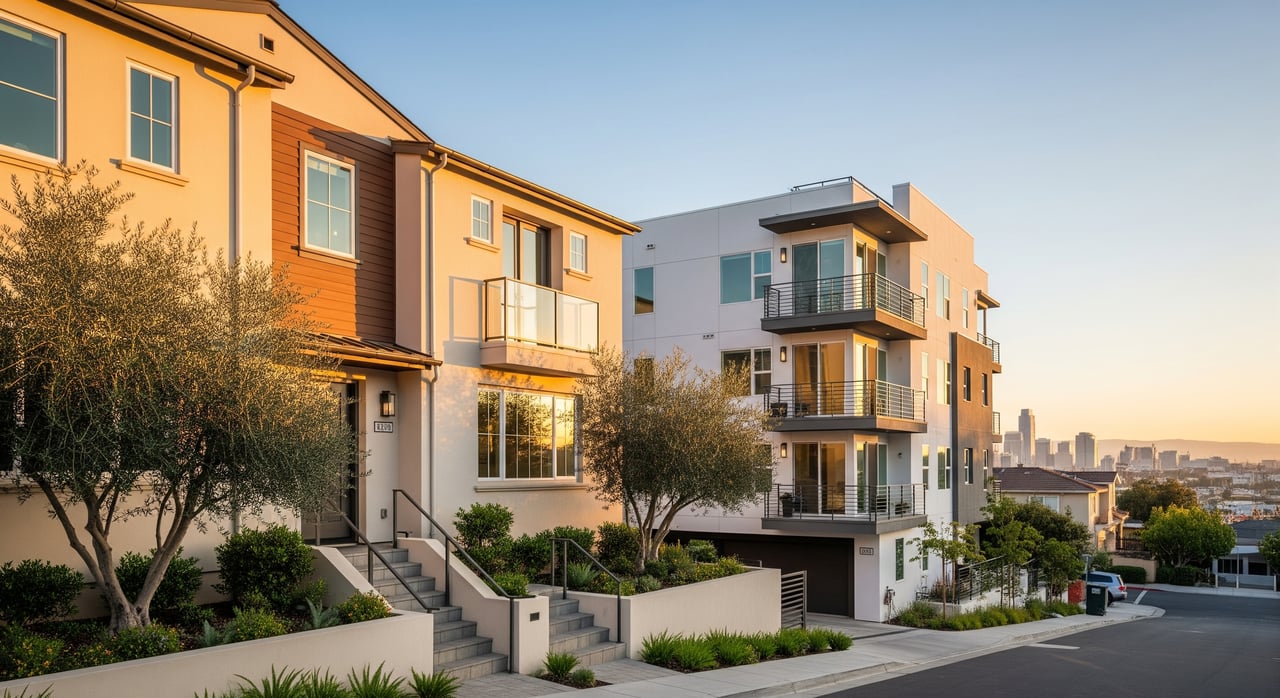
San Jose Condo vs Townhome: Find Your Best Fit
January 15, 2026
January 15, 2026
Trying to decide between a townhome and a condo in San Jose or nearby East Bay neighborhoods? You are not alone. With different ownership rules, HOA coverage, and lifestyle tradeoffs, it can be hard to tell which choice will serve you best. This guide breaks down the key differences, local cost patterns, financing factors, and a buyer checklist so you can move forward with confidence. Let’s dive in.
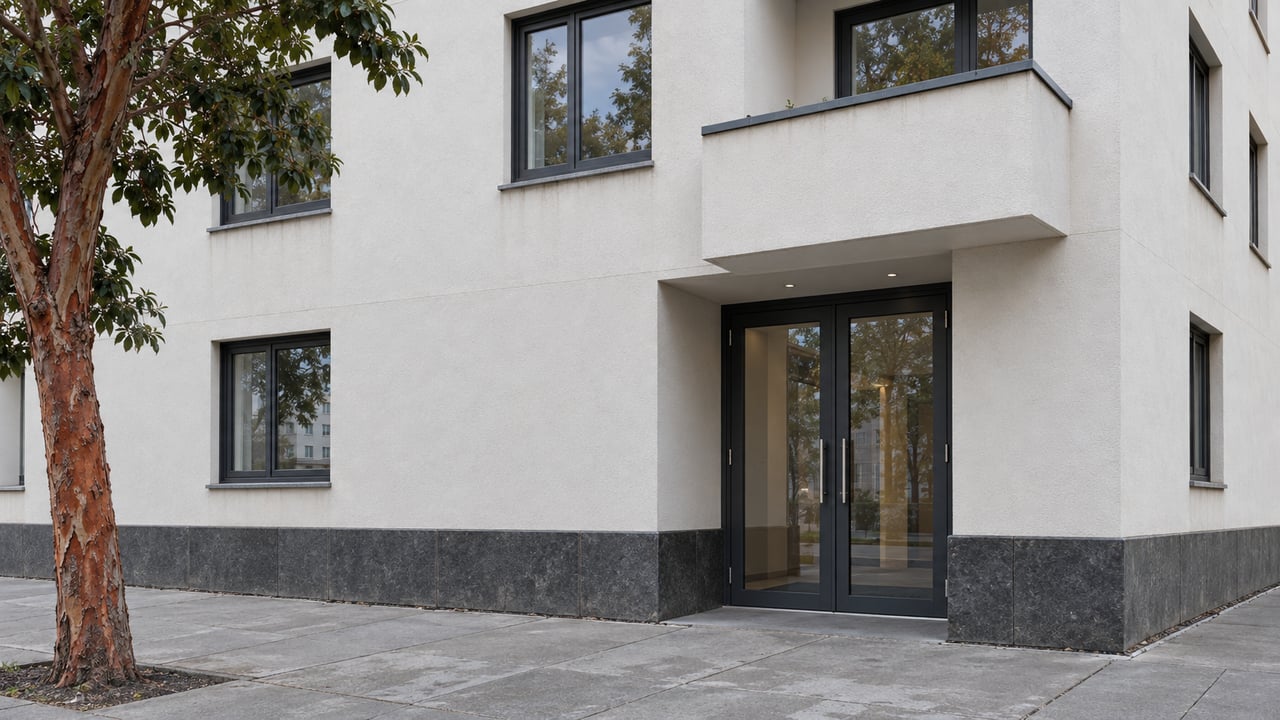
A condominium typically means you own the interior of your unit and share ownership of the building’s common elements. Hallways, roofs, exterior walls, and landscaping are usually part of the common areas. You also become a member of a homeowners association that manages budgets, reserves, and rules. In California, these communities are governed by the Davis‑Stirling Common Interest Development Act.
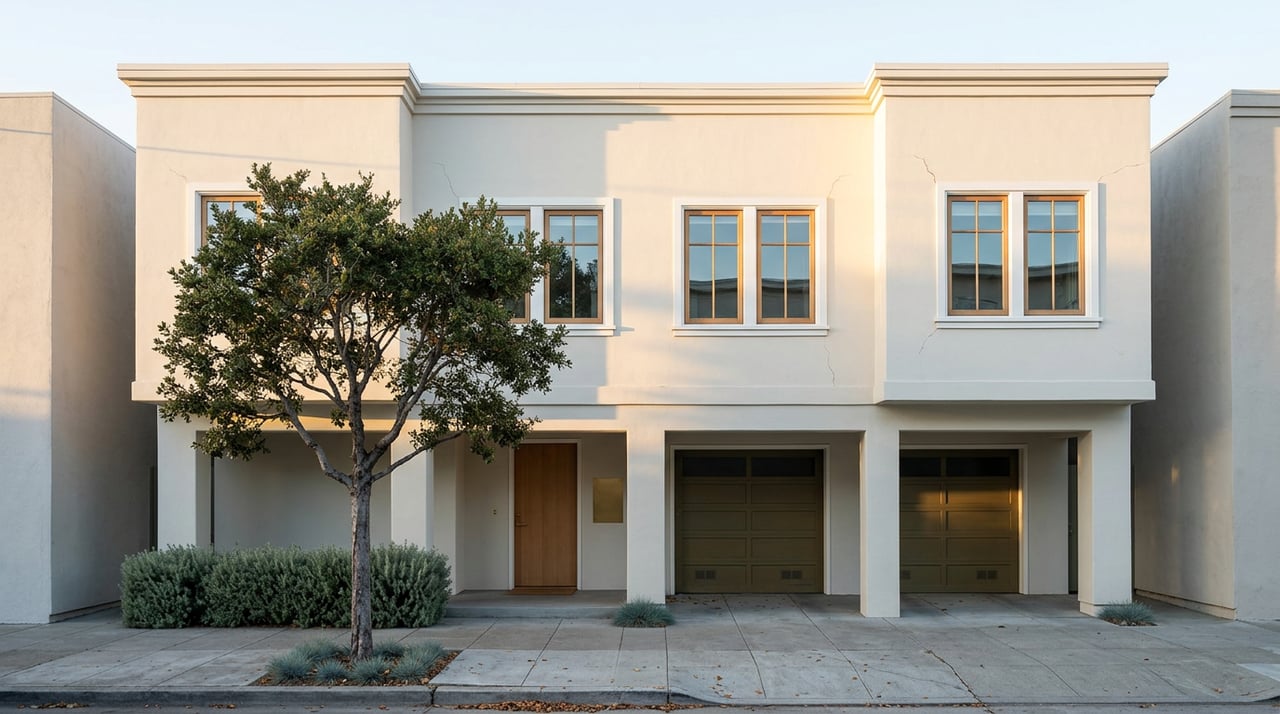
A townhome is a building style, not a single ownership type. In the Bay Area, many townhomes are legally condominiums. Others are fee-simple attached homes, often in a Planned Unit Development, or PUD. The legal form determines who fixes the roof and exterior, who insures what, and how lenders underwrite your loan.
Most condo HOAs handle the building envelope and common areas. That can include exterior maintenance, roofing, landscaping, lighting, elevators, and shared systems. Many also manage amenities like pools, gyms, clubhouses, or gates. Utilities for common spaces and a master insurance policy for the building are typical line items.
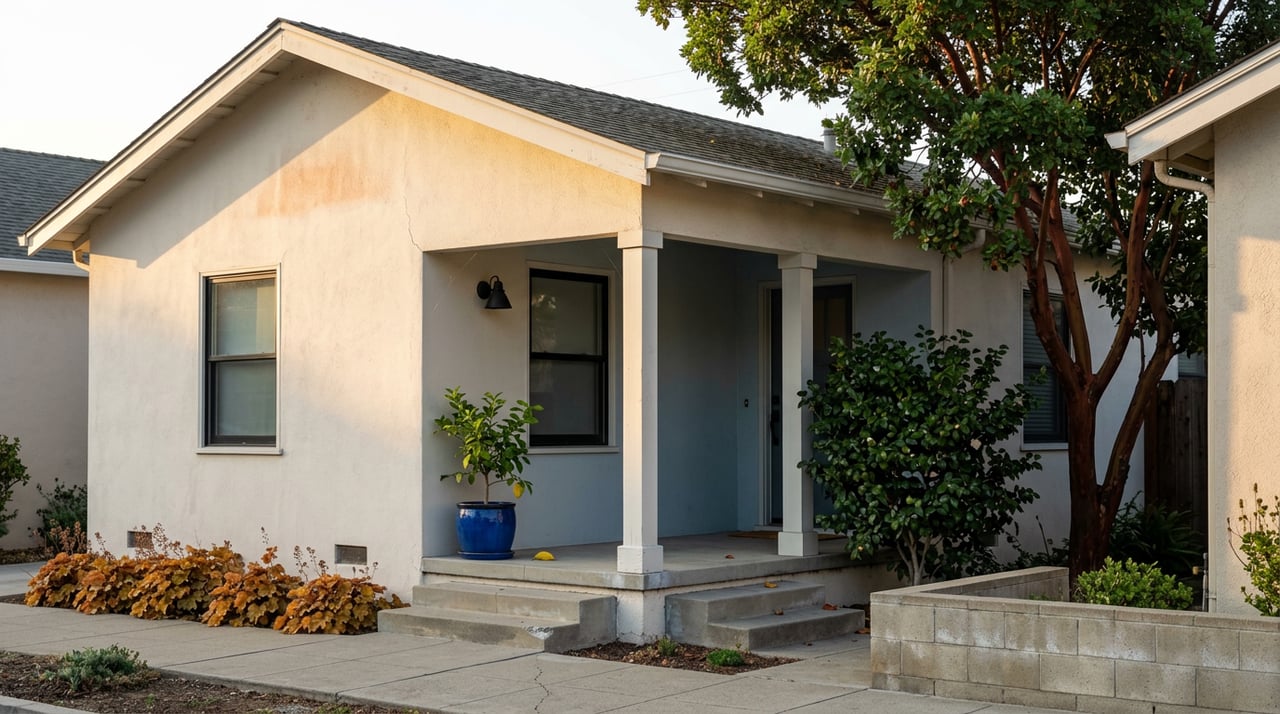
If a townhome is legally a condo, the HOA may cover exterior items similar to a standard condo. If it is fee-simple, you may be responsible for the roof, siding, and private yards, while the HOA handles shared landscaping, private roads, or perimeter fencing. Always verify the CC&Rs and budget to see who pays for what.
In San Jose and across Silicon Valley, monthly HOA dues for condos often fall in the mid-hundreds when amenities are limited. High-amenity or luxury buildings can be significantly higher. Townhome dues often overlap with condo ranges and depend on whether the HOA covers the exterior and which amenities exist. Local labor costs, building age, and amenities heavily influence dues.
Healthy reserve funds reduce the risk of large one-time charges for major items like roofs or paving. If reserves are underfunded, special assessments are more likely. Review the reserve study and HOA meeting minutes to understand upcoming projects. Ask directly about any planned assessments or litigation that could affect costs.
Condos often have more shared walls or stacked neighbors. Soundproofing quality varies by building age and construction. Townhomes typically have private entries and only share side walls, which can feel more like a house. That said, attached homes are still attached, so party-wall construction still matters.
Condos usually offer balconies or small patios with limited private yard space. Storage is often in-unit or in small lockers. Townhomes often provide a small patio or yard, direct street or garage access, and more storage in garages or closets. If you want space for a grill, a pet, or garden containers, a townhome may fit better.
Condos may include assigned or unassigned spaces in carports or garages, with guest rules that vary by building. Townhomes frequently include private garages or driveways, which helps households with multiple vehicles. Review the parking map and rules for guest stays, EV charging, and any permit requirements.
Many townhomes are multi-level, which can be less convenient for strollers or mobility limitations. Newer condo buildings often include elevators and single-level floor plans that can be easier to navigate. If accessibility is a top priority, a condo in an elevator building could be a better match.
Many lenders apply project-level underwriting to condos, including owner-occupancy ratios, budget strength, and litigation checks. Some require the project to be warrantable to qualify for conventional financing. If a project is non-warrantable, financing options may be limited or come with different terms. Fee-simple townhomes typically face fewer project-level requirements.
Condo owners generally insure the interior and personal property, while the HOA’s master policy covers the building and common elements. Townhome owners in fee-simple communities often need broader hazard insurance that includes the exterior. Always request the HOA insurance summary and confirm what your personal policy must cover.
Appraisers use recent comparable sales. Townhomes often pull comps more similar to single-family properties in layout and features, which can influence value. Condos pull comps from similar units in comparable buildings, and project approval can affect marketability. Ask your agent to review nearby comps for both property types when you are deciding between them.
Historically, condos are more affordable than single-family homes, and townhomes tend to price between the two. In many neighborhoods, townhomes command a premium over comparable condos due to private entries, garages, and outdoor space. Demand can shift with interest rates and new construction cycles. Condos in urban cores can move slower if buyers prioritize larger spaces or private yards.
If you are weighing a San Jose condo against a townhome, start with the legal form and HOA responsibilities. Then align your budget and lifestyle priorities with what each community offers. Review the reserve study, confirm insurance needs, and have your lender pre-check the project if you pursue a condo. When you want a local, hands-on guide to compare specific buildings and neighborhoods, reach out to the team at Dixit Properties. We will help you identify the right fit, navigate HOA reviews, and negotiate with confidence.
He have built a vast array of clients in the Bay Area, whether it be a luxury estate client, first-time homebuyer, or seasoned investor. The driving principles include putting the clients' needs first, built on a foundation of hard work, trust, and integrity.