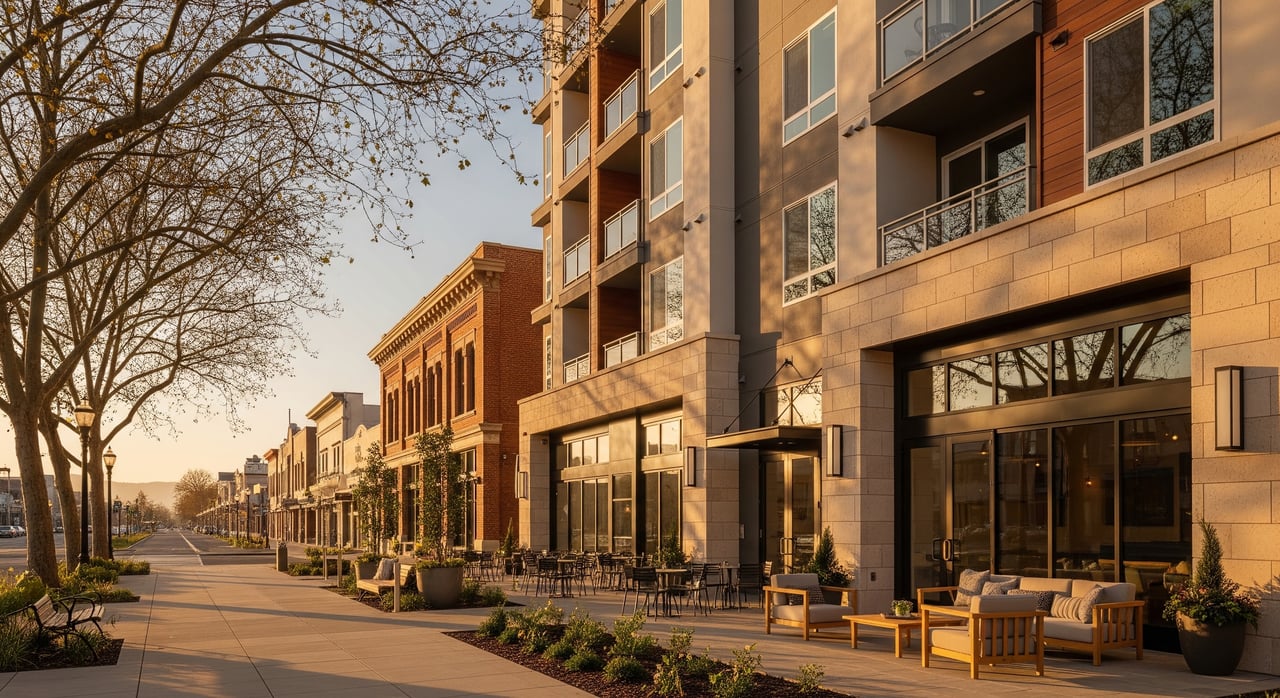
Downtown Hayward Living Guide for Everyday Life
February 5, 2026
February 5, 2026
What does a typical day look like when you live in Downtown Hayward? If you want quick BART access, walkable basics, and a neighborhood that is steadily evolving, this East Bay hub may fit your lifestyle. You likely care about commute time, where to grab groceries, and what housing options exist near the station. This guide breaks down everyday living so you can decide if the downtown core of the Oakland–Hayward–Berkeley area matches your goals. Let’s dive in.
Downtown Hayward sits near the city’s civic center and the Hayward BART station, roughly midway along the East Bay shoreline between Oakland and Fremont. The city is guiding growth toward a transit‑oriented, mixed‑use center with denser housing, street improvements, and more ground‑floor retail. In recent years, new mid‑rise housing, infill around BART, and streetscape upgrades have been planned and constructed project by project. You can expect continued change over the next few years as additional projects come online.
The core blocks near BART and civic buildings offer compact, block‑by‑block walkability. You can handle many daily errands on foot, from a coffee stop to a quick service appointment. Sidewalk quality and crossings vary by block, so you will notice a more urban feel in the heart of downtown and quieter streets just outside the core. For full grocery runs, most residents use a mix of small markets nearby and larger stores a short drive or bus ride away.
Dining in downtown reflects the East Bay’s variety, with independent restaurants, casual cafes, and a range of cuisines. Businesses can change as the area redevelops, so you will find a blend of long‑standing favorites and newer spots drawn by growing foot traffic. Everyday services like salons, banks, clinics, and small professional offices cluster in and near the core. City offices and courts help keep daytime activity steady.
Within downtown, you will find small plazas and pocket parks for quick breaks. For big open spaces, the Hayward Regional Shoreline and other East Bay Regional Park District destinations are a short drive or bike ride away. These shoreline areas offer trails, bay views, and birding, plus connections to longer regional paths. Weekdays, local parks around the city add playgrounds and fields for regular recreation.
BART anchors regional transit for downtown residents. Typical train travel is about 15 to 30 minutes to central Oakland and roughly 35 to 50 minutes or more to central San Francisco, depending on the time of day and routing. AC Transit buses serve main corridors through downtown, with higher frequency on key routes and lighter service on neighborhood lines. If you drive, expect 15 to 30 minutes to many East Bay job centers in light traffic, with longer times during peak highway congestion. Parking varies by block and building, with newer mid‑rises often including structured parking and older areas relying on surface lots or street parking.
Biking works well for short downtown trips, and portions of Hayward connect into regional bike lanes and trails. Shared e‑scooters and bikeshare appear at varying levels depending on operators. Many residents combine modes, using a bicycle to reach BART, then transit for the longer leg.
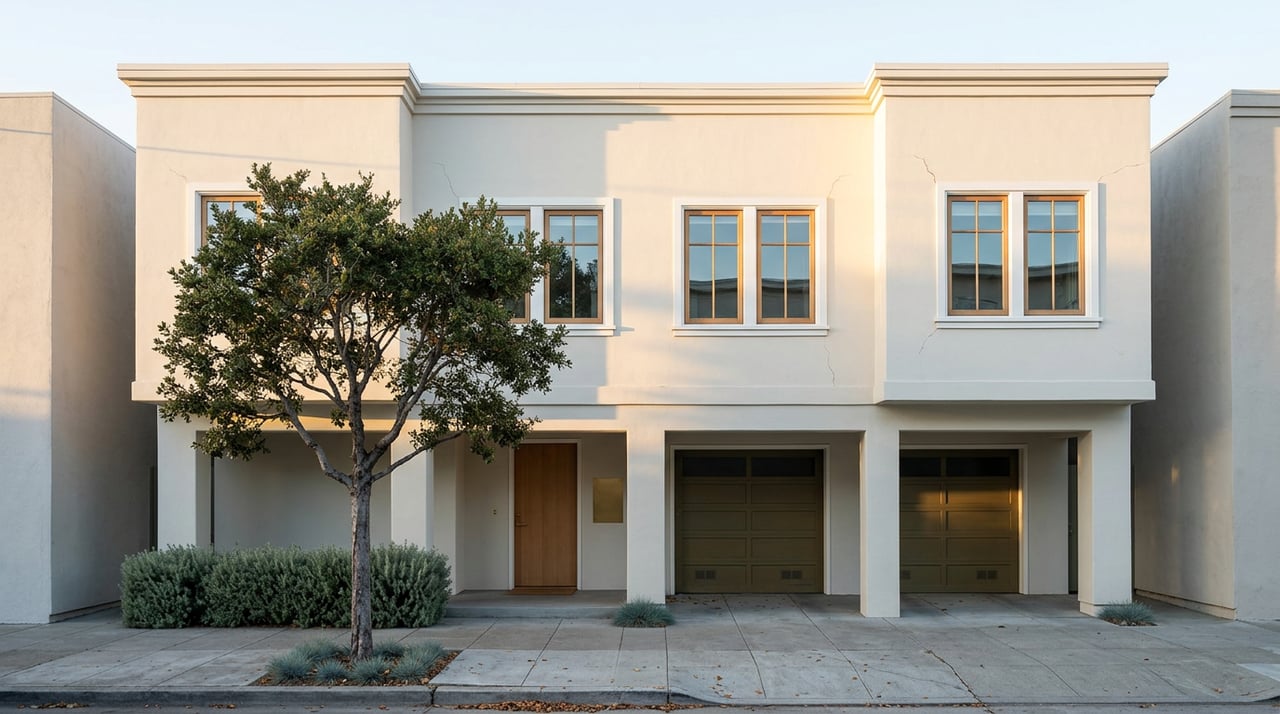
The downtown core leans toward multi‑family living: apartments, condos, and mid‑rise residential. Single‑family homes are less common within the tight grid, though nearby neighborhoods offer more traditional houses. Newer infill near BART reflects the city’s transit‑oriented development goals and often includes mixed‑use buildings with ground‑floor retail.
Housing costs are generally lower than central Oakland or San Francisco but still track the broader Bay Area market. Expect competition for well‑located units near transit. Rents and prices vary by unit size, building age, amenities, and exact location.
You will see a mix of early‑career renters, professionals who value transit, and some downsizers who prefer smaller homes close to services. Households reflect Hayward’s broader diversity in a denser, more rental‑heavy context. Unit sizes and building styles vary, so it helps to tour several options to match your space and lifestyle needs.
For renters:
For buyers:
Choose downtown if you want strong regional access, walkable basics, and an urban feel that is still growing into its next phase. You will likely trade some big‑box retail convenience for a tighter grid of cafes, services, and small shops. Redevelopment tends to roll out project by project, so the mix of businesses and residences will keep evolving. If that balance of access and steady change appeals to you, Downtown Hayward is worth a close look.
Ready to explore homes near the Hayward BART station or compare downtown condos with nearby neighborhoods? Reach out to Dixit Properties for local guidance, curated tours, and help evaluating HOA health and long‑term value. We are a boutique, broker‑led team based in Hayward that combines neighborhood expertise with hands‑on service so you can move with confidence.
He have built a vast array of clients in the Bay Area, whether it be a luxury estate client, first-time homebuyer, or seasoned investor. The driving principles include putting the clients' needs first, built on a foundation of hard work, trust, and integrity.