Staring at a condo you love in San Mateo, but the HOA dues make you pause? You’re not alone. HOA fees can feel confusing until you know what they cover, why they vary so much across buildings, and how to evaluate the financial health of an association. In this guide, you’ll learn what San Mateo condo fees typically include, how reserves and amenities influence costs, what to look for in HOA documents, and how to budget smart before you buy. Let’s dive in.
Why fees vary in San Mateo
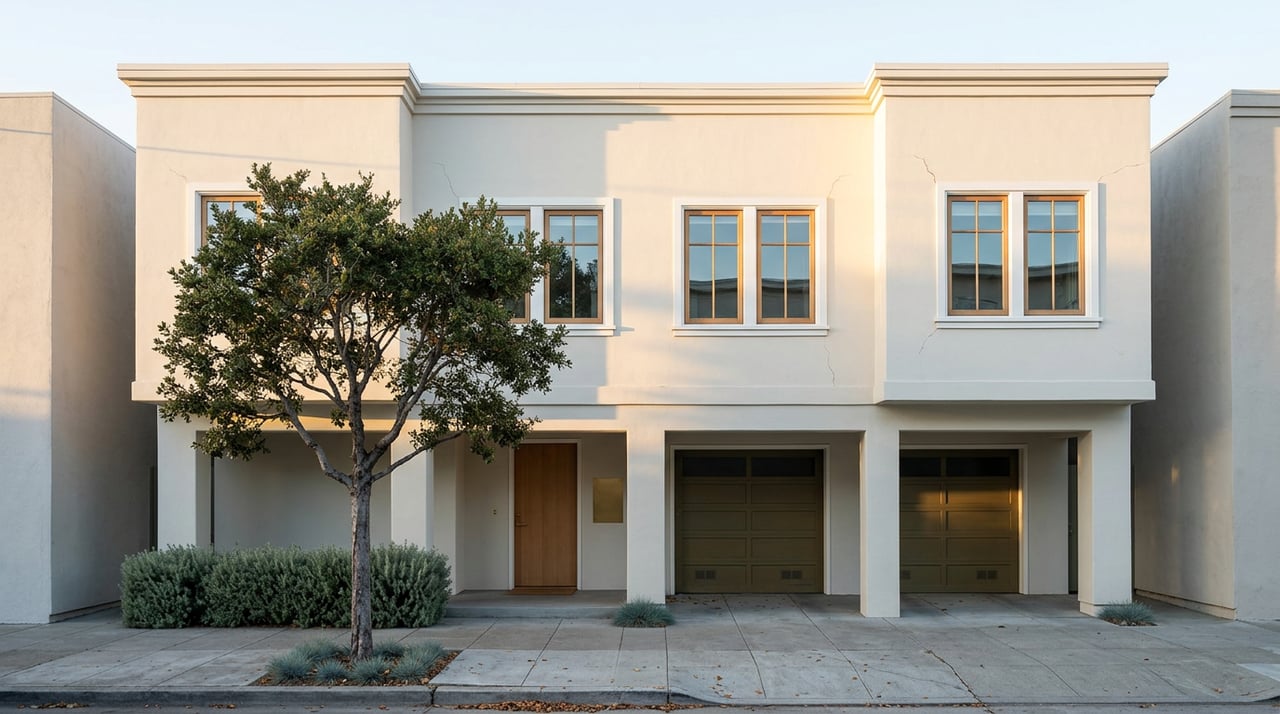
San Mateo sits on the mid‑Peninsula with strong demand for condo living thanks to commute access, a lively downtown, and proximity to major employers. That demand supports a wide mix of buildings, from low‑rise garden complexes to higher‑amenity mid‑ and high‑rises. Building type is one of the biggest drivers of HOA dues.
Across the Peninsula, monthly HOA fees commonly range from a few hundred dollars for smaller, low‑amenity associations to several hundred or even over $1,000 for luxury buildings with pools, concierges, secure parking, or included utilities. Always confirm current dues on the specific listing you’re considering.
Key factors that drive differences:
- Building type and age: Elevators, larger roofs, and older systems can add ongoing costs and reserves needs.
- Onsite amenities: Pools, gyms, security, and concierge services increase staffing, utilities, insurance, and maintenance.
- Included services: Associations that cover water, trash, gas, or cable often have higher dues but fewer separate monthly bills for you.
- Insurance and liability: Taller buildings and properties needing seismic work may face higher premiums and larger deductibles.
- Reserve funding and history: Underfunded reserves and prior special assessments signal future cost risk.
- Local retrofit requirements: On the Peninsula, older wood‑framed buildings may face soft‑story or other seismic upgrades.
What HOA fees cover
Most San Mateo condo dues include a mix of operations, maintenance, insurance, and savings for future repairs. You should expect to see these line items in the HOA budget:
- Common area maintenance and repairs for hallways, lobbies, roofs, exteriors, and elevators
- Building and grounds utilities such as lighting, elevator electricity, irrigation, and common area HVAC
- Trash and recycling service
- Water and sewer, either included in dues or submetered per unit
- Master insurance for the building’s structure and common elements (property and liability)
- Professional management fees, on‑site or third‑party
- Landscaping, janitorial, pool and amenity maintenance contracts
- Security and concierge staffing, if applicable
- Administrative costs like legal, accounting, and tax preparation
- Reserve contributions for major future repairs and replacements
What’s not covered by most associations
It’s important to know where your coverage stops so you can plan your out‑of‑pocket costs.
- Interior finishes and personal property inside your unit typically require an HO‑6 condo policy
- Master policy deductibles can sometimes be charged back to owners after certain claims
- Separately metered utilities like electricity, gas, and internet are usually your responsibility
- Property taxes on your unit are paid by you, not the association
The more services bundled into dues, the more you pay monthly to the HOA, but the fewer separate bills you’ll manage. If utilities are separate, compare the combined monthly total of HOA fees plus utilities across properties.
Reserves and special assessments
Reserves are the association’s long‑term savings for big‑ticket items like roofs, exterior painting, paving, elevator overhauls, and major HVAC components. Healthy reserves reduce the risk of sudden, one‑time special assessments.
Associations usually commission a reserve study to estimate the useful life and replacement cost of major components. This study guides target funding levels. When reading the reserve study, look for the date of the last update, recommended contributions, and how the current budget compares. Associations may be fully funded, partially funded, or underfunded.
Special assessments happen when operating funds and reserves are not enough for a specific expense, such as unexpected repairs, litigation settlements, seismic retrofits, or capital projects. Frequent or large assessments are a red flag for buyers and can trigger additional lender scrutiny. Always verify whether any assessments are pending or planned.
Peninsula‑specific risks to note:
- Older wood‑framed buildings may need structural work, including soft‑story retrofits.
- Rising insurance costs and large master policy deductibles can increase dues or shift costs to owners after a claim. Ask for the master policy summary and deductible structure.
Amenities and monthly cost
Amenities are part lifestyle and part math. Pools, spas, fitness centers, landscaped courtyards, elevators, 24/7 security, guest suites, and concierge services all require ongoing utility usage, staffing, maintenance, and insurance. Structured garages add ventilation, lighting, maintenance, and security expenses.
Tradeoffs to consider:
- Higher dues can deliver convenience and better resale appeal but increase your monthly carrying cost.
- If you rarely use a feature, you still pay for it through dues. Be honest about what you will actually use.
How to read HOA documents
Request the full resale packet early and give yourself time to review it. If you’re buying with a loan, your lender may also request documents.
Must‑review items:
- CC&Rs outlining owner rights, responsibilities, and restrictions
- Bylaws and Articles of Incorporation covering governance and elections
- Rules and Regulations or House Rules for day‑to‑day obligations
- Current operating budget with reserve contributions
- Recent financial statements, ideally audited or reviewed
- The latest reserve study and 5‑ to 10‑year capital plan
- Board meeting minutes for the last 6 to 24 months
- Insurance certificate and master policy summary, including deductibles
- Owner ledger or status letter showing any delinquencies
- Any litigation disclosures and legal invoices
- Notices on special assessments or planned capital projects
- Management contract and key vendor agreements
- Rental, pet, and parking policies and assignments
- Architectural change policies and any open violations
Key questions to ask in writing:
- What is the master policy deductible, and when can it be assessed to owners?
- Have there been recent special assessments? For what and how were they handled?
- What is the current reserve balance as a percentage of the recommended amount?
- Are major projects planned in the next 1 to 5 years, such as roof, façade, or seismic work?
- What is the delinquency rate, and are any owners in foreclosure?
- Are utilities included in dues, and which ones?
- Do rental restrictions or owner‑occupancy ratios apply that could affect resale or investor demand?
Red flags to watch for:
- No recent reserve study or very low reserve funding
- Large pending litigation without a clear plan to fund potential costs
- Repeated special assessments over recent years
- Rapidly rising dues or frequent budget amendments
- High owner delinquency or many units controlled by one entity
- Substantial deferred maintenance noted in minutes
Budgeting for HOA dues
Build your numbers with both dues and your likely out‑of‑pocket costs.
- Affordability and lending: Lenders include monthly HOA fees in your debt‑to‑income ratio. Ask how your lender treats pending assessments or reserve shortfalls.
- Cushion planning: Consider keeping a short‑term cushion of at least 3 to 6 months of HOA dues, especially if reserves are low or projects are planned.
- Insurance review: Confirm your needed HO‑6 coverage and how the association’s deductible could be applied after a claim.
- Negotiation levers: If documents reveal a major issue, you can request credits, price adjustments, contingency protections, or a status letter addressing the risk.
- Timing: Ask for the resale packet as soon as your offer is accepted so you have time to review with advisors.
- When to bring in pros: A CPA, HOA‑savvy real estate attorney, or structural engineer can help with complex financials, pending construction, or seismic questions.
San Mateo factors to know
San Mateo and the broader Peninsula have some distinct dynamics that shape HOA finances and due diligence.
- Building age and seismic: Many mid‑century, low‑rise buildings may face soft‑story or other seismic upgrades. Confirm whether any studies or mandates exist and how work would be funded.
- Downtown parking: Near downtown and transit, parking is at a premium. Confirm how many spaces you have, whether they’re deeded or assigned, guest parking rules, and any related HOA costs.
- Luxury vs garden‑style: Higher‑amenity downtown buildings often bundle more utilities and services into dues. Smaller garden complexes can show lower dues but may carry higher deferred maintenance risk. Review the reserve study closely.
- Insurance cost pressures: California’s evolving insurance market has pushed up master policy costs for some associations, resulting in dues increases or one‑time assessments.
Next steps
Use a simple process to compare condos apples to apples:
- Confirm what dues include. List utilities and services for each property you’re considering.
- Add likely separate costs. Estimate electricity, gas, internet, and insurance that are not covered by the HOA.
- Review the reserve study and minutes. Look for planned projects, reserve funding levels, and any history of special assessments.
- Run a true monthly total. Combine HOA dues plus estimated utilities and insurance to compare buildings fairly.
- Plan your cushion. Hold a buffer for potential assessments, especially in older buildings or associations with low reserves.
If you want a steady hand to guide your review, we’re here to help you request documents, spot red flags, and compare options with clear, real‑world numbers. Reach out to Dixit Properties for a straightforward plan to buy confidently in San Mateo.
FAQs
What do San Mateo condo HOA fees usually cover?
- Most dues cover common area maintenance, building utilities, trash, master insurance for the structure and shared areas, management, amenity upkeep, admin costs, and reserves.
How much are condo HOA fees in San Mateo?
- On the Peninsula, dues commonly range from a few hundred dollars per month in low‑amenity complexes to several hundred or over $1,000 in higher‑amenity or luxury buildings.
How do reserves and reserve studies affect my costs?
- Healthy reserves lower the risk of one‑time special assessments; the reserve study shows funding targets and upcoming projects that may influence future dues.
What are special assessments, and why do they happen?
- Special assessments are one‑time charges when operating funds and reserves are not enough for major repairs, seismic work, litigation costs, or capital projects.
Are utilities included in San Mateo condo dues?
- It depends on the building; some include water, trash, or gas, while others separately bill utilities. Always verify what’s included before you buy.
Could a pending special assessment affect my mortgage approval?
- Yes. Lenders may require more documentation or adjust qualification if a large assessment is pending; confirm details with both the HOA and your lender early.